Disposal of Addition Polymers (Edexcel IGCSE Chemistry)
Exam board Pearson Edexcel · IGCSEUpdated 2025-02-03
Guided lessons are live for this note
Work through it step by step — key points, depth layers, a worked example and self-checks.
Spec point — explain problems in the disposal of addition polymers, including: • their inertness and inability to biodegrade • the production of toxic gases when they are burned.
Disposal of polymers
- Addition polymers are formed by the joining up of many small molecules with strong C-C bonds This makes addition polymers unreactive and chemically inert so don’t easily biodegrade
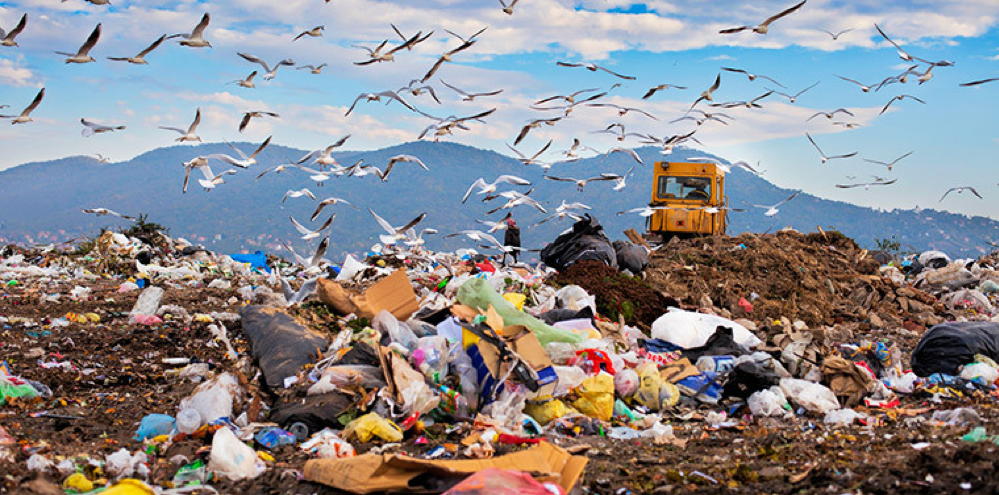
Disposal of addition polymers is an environmental problem
Landfills
- Waste polymers are disposed of in landfill sites but this takes up valuable land, as addition polymers are non-biodegradable so micro-organisms such as decomposers cannot break them down
- This causes sites to quickly fill up
Incineration
- Polymers release a lot of heat energy when they burn and produces carbon dioxide which is a greenhouse gas that contributes to climate change
- Polymers that contain chlorine such as PVC release toxic hydrogen chloride gas when burned
- If incinerated by incomplete combustion, carbon monoxide will be produced which is a toxic gas that reduces the capacity of the blood to carry oxygen
Was this revision note helpful?
Build on this topic