Disposal of Addition Polymers
2 guided lessons · 18 checks · 4. Organic Chemistry → Synthetic polymers
Guided lessons for this note
Which concept don't you understand yet?
We'll explain it simply and check your understanding. Pick any lesson — any order works.
0 of 18 checks correct so far
Lesson 1 of 2
Why addition polymers resist breakdown
The same strong carbon-carbon bonds that make addition polymers useful also make them nearly unreactive. Micro-organisms cannot break them down, so buried plastic simply sits there while landfill sites fill up. This lesson explains why inertness is an environmental liability.
What you know already
From Alkenes you already know how double bonds open up and join monomers into addition polymers with strong carbon-carbon backbones. This note follows those polymers to the end of their useful life, where their greatest strength becomes the planet's problem.
Key points of understanding
- Addition polymers are built from many small molecules joined by strong carbon-carbon bonds.
- Those strong bonds make the polymers unreactive and chemically inert.
- Inert polymers cannot biodegrade, so decomposers cannot break them down.
- Landfill disposal takes up valuable land and sites fill up quickly.
- The inability to biodegrade is the core disposal problem.
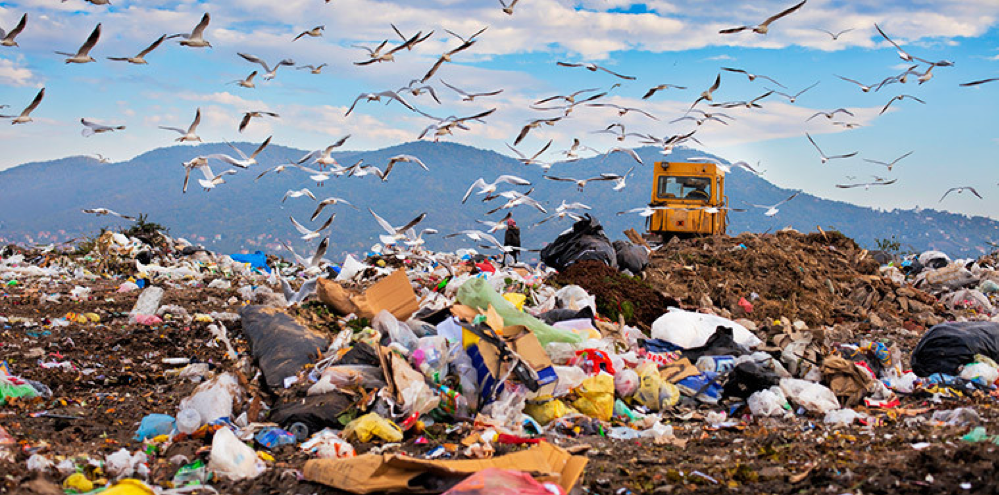
Disposal of addition polymers is an environmental problem
Choose a confidence level to continue.
Prefer to read it all at once? Show the full lesson as a page
1.Why addition polymers resist breakdown
The same strong carbon-carbon bonds that make addition polymers useful also make them nearly unreactive. Micro-organisms cannot break them down, so buried plastic simply sits there while landfill sites fill up. This lesson explains why inertness is an environmental liability.
Disposal of addition polymers is an environmental problem
Key points
- Addition polymers are built from many small molecules joined by strong carbon-carbon bonds.
- Those strong bonds make the polymers unreactive and chemically inert.
- Inert polymers cannot biodegrade, so decomposers cannot break them down.
Guided content from the SME authoring corpus — note rn_bvyrkKqRBMKCRzHM, pinned at 45d591243cae · promoted SyllabAI/syllabai-resources e967e75f1339