Alcohols
2 guided lessons · 18 checks · 4. Organic Chemistry → Alcohols
Guided lessons for this note
Which concept don't you understand yet?
We'll explain it simply and check your understanding. Pick any lesson — any order works.
0 of 18 checks correct so far
Lesson 1 of 2
The hydroxyl group that defines the family
Alcohols are colourless liquids that mix with water and burn as fuels. This lesson fixes the one feature that makes them a family: the hydroxyl group responsible for their characteristic reactions.
What you know already
From Bromine & Alkenes you already know how a functional group dictates a reaction test. This note closes the wave on a third functional group: the hydroxyl group of the alcohols, the family behind fuels and spirits, with the naming twist that trades a final e for an ol.
Key points of understanding
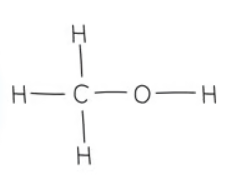
- Alcohols are clear liquids that mix with water, giving neutral solutions.
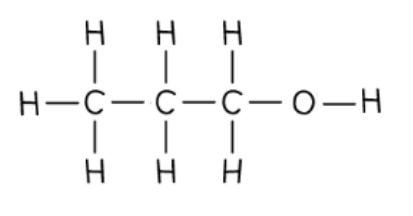
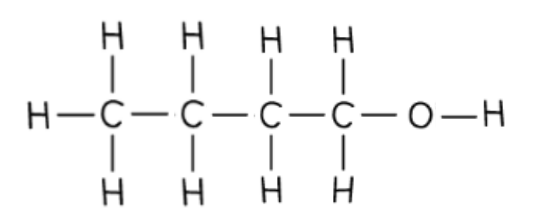
- The first four members of the family serve as common fuels.
- Every alcohol carries the hydroxyl group, written -OH.
- The hydroxyl group is the part of the molecule responsible for the characteristic reactions of alcohols.
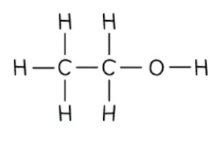
- In ethanol the -OH side chain is what characterises its chemistry, as the diagram of the molecule shows.
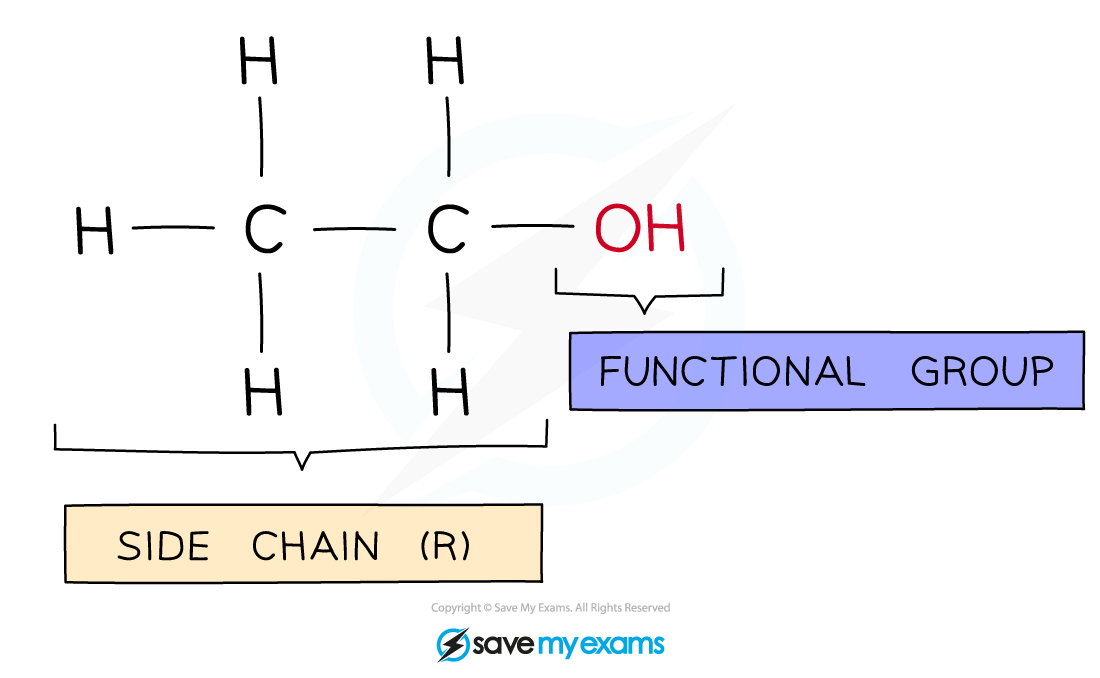
Diagram of the side chain and -OH group in ethanol which characterises its chemistry
Choose a confidence level to continue.
Prefer to read it all at once? Show the full lesson as a page
1.The hydroxyl group that defines the family
Alcohols are colourless liquids that mix with water and burn as fuels. This lesson fixes the one feature that makes them a family: the hydroxyl group responsible for their characteristic reactions.
Diagram of the side chain and -OH group in ethanol which characterises its chemistry
Key points
- Alcohols are clear liquids that mix with water, giving neutral solutions.
- The first four members of the family serve as common fuels.
- Every alcohol carries the hydroxyl group, written -OH.
- The hydroxyl group is the part of the molecule responsible for the characteristic reactions of alcohols.
Guided content from the SME authoring corpus — note rn_2MpXPtNXvn8pQm3r, pinned at 80afdb8e02b6 · promoted SyllabAI/syllabai-resources e967e75f1339