Substances in Water from Natural Sources (Cambridge International IGCSE Chemistry)
Spec point —
10.1.2· State that water from natural sources may contain substances, including: dissolved oxygen metal compounds plastics sewage harmful microbes nitrates from fertilisers phosphates from fertilisers and detergents
Substances in water from natural sources
-
We use water in many aspects of our everyday life:
- Domestic uses: for drinking, cooking, gardening and general sanitation
- Agricultural uses: as a drink for animals and watering crops
- Industrial uses: as a solvent, as a coolant and heated to make steam used to generate electricity
-
Water is found in natural sources such as lakes, rivers and underground water sources (groundwater)
-
A rock that stores water is known as an aquifer
-
Water from natural sources may contain a variety of different substances including:
- Dissolved oxygen
- Metal ions (E.g. Ca2+, K+, Na+, Mg2+)
- Plastics
- Sewage
- Harmful microbes
- Nitrates from fertilisers
- Phosphates from fertilisers and detergents
-
Many of these substances enter water sources when rain falls and washes them into lakes, rivers or groundwater
-
Some of these substances are naturally occurring but many are a direct result of human activities
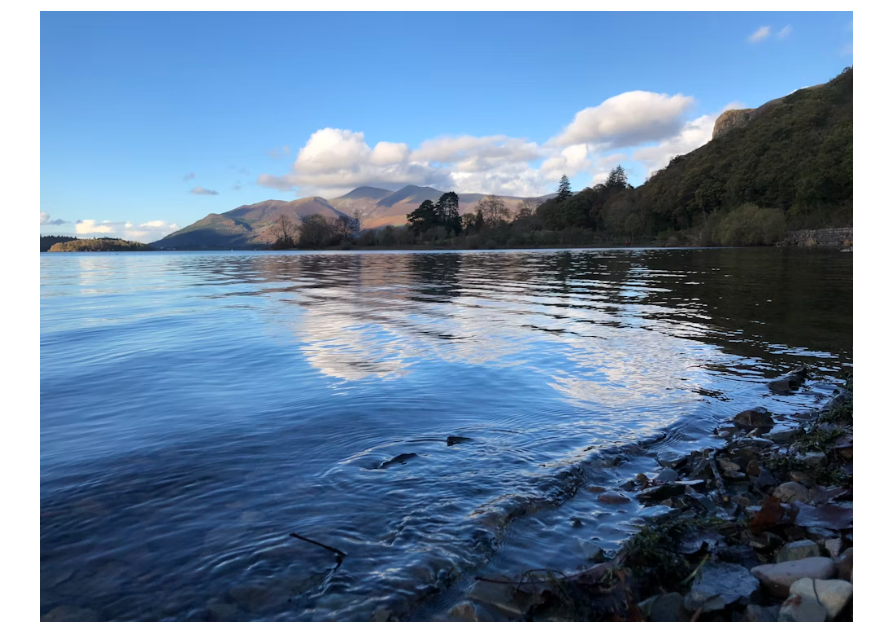
Photo by Ben Clayton on Unsplash
Exam Hint Despite the term 'natural source’, water from these sources may contain lots of impurities and harmful substances and should not be confused with water which is clean and ready for use.
Beneficial & harmful substances in water
Spec point —
10.1.2· State that some of these substances are beneficial, including: dissolved oxygen for aquatic life some metal compounds provide essential minerals for life State that some of these substances are potentially harmful, including: some metal compounds are toxic some plastics harm aquatic life
sewage contains harmful microbes which cause disease nitrates and phosphates lead to deoxygenation of water and damage to aquatic life Details of the eutrophication process are not required
Beneficial & harmful substances in water
-
Some of the substances which may be found in natural water sources are beneficial and others may have harmful effects
-
Beneficial substances include:
-
Dissolved oxygen
- Essential for aquatic life
-
Metal compounds
- Some provide essential minerals which are necessary for life, such as calcium and magnesium
-
-
Potentially harmful substances include:
-
Metal compounds
- Some are toxic like aluminium and lead
-
Some plastics
- These may be harmful to aquatic life in many ways, e.g. getting trapped in plastic waste, dying of starvation as their stomach is filled with plastic
-
Sewage
- Contains harmful microbes which can cause disease
-
Nitrate & phosphates from fertilisers
- These can promote the growth of aquatic plant life which leads to deoxygenation of water.
- Ultimately, this can cause damage to aquatic life in a process called eutrophication (you do not need to know the details of this process)
-
Exam Hint Metal compounds can be both beneficial and harmful, it depends on the metal within the compound, e.g. calcium, magnesium, potassium and sodium are all metals which are essential for life.
Harmful metals include lead, arsenic and mercury.
Was this revision note helpful?
Build on this topic