7.2.1 Photochemical Smog (Cambridge International AS Environmental Management)
Photochemical Smog
Spec point —
7.2.1
Trophospheric Ozone
-
Air pollution is a significant environmental issue, and one of the pollutants of concern is tropospheric ozone
-
Tropospheric ozone, also referred to as ground-level ozone, is formed through a series of chemical reactions involving nitrogen oxides and volatile organic compounds in the presence of sunlight:
- This process occurs near the Earth's surface, primarily in the lower part of the atmosphere known as the troposphere
- Nitrogen oxides, mainly released from human activities such as industrial processes, vehicle emissions, and combustion of fossil fuels, react with sunlight and oxygen to produce ozone
-
Tropospheric ozone is highly reactive and has several negative impacts
What is Photochemical Smog?
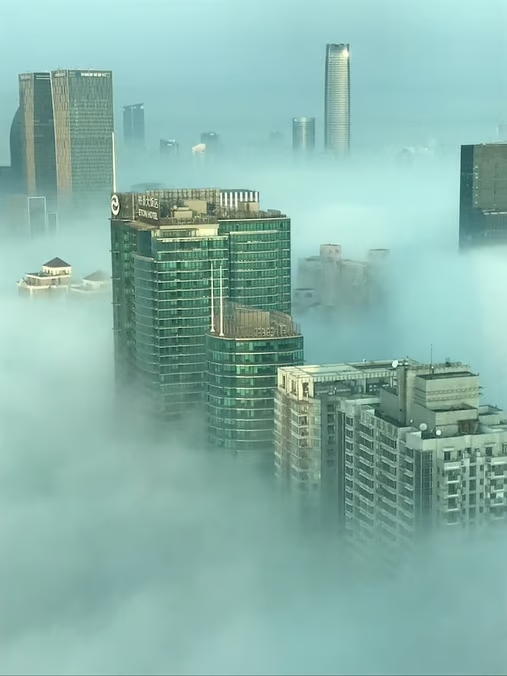
Only the highest city buildings protrude above this smog, which has been trapped in the cooler air near ground-level by a layer of warm air above the city (Photo by Mikel Letona on Unsplash)
-
Smog is a type of air pollution characterised by a complex mixture of primary and secondary pollutants:
- Tropospheric ozone is a major component of smog
- Deforestation and burning of biomass release large amounts of particulate matter, volatile organic compounds and other pollutants into the atmosphere
- These emissions can contribute to the formation of smog by increasing the concentration of primary pollutants and providing additional reactive substances for secondary pollutant formation
- To some extent, forested areas can act as natural sinks for air pollutants, so their removal can exacerbate smog formation in surrounding regions
Impacts of Photochemical Smog
Spec point —
7.2.1
Why is Tropospheric Ozone Harmful?
Plant Damage
- High levels of ozone can damage plant tissues, impair photosynthesis, reduce crop yields and cause visible symptoms such as leaf damage
- It affects a wide range of crops, including staple crops like wheat, rice and soybeans
Respiratory Issues
- Tropospheric ozone irritates the respiratory system, causing coughing, throat irritation, and contributes to asthma and other respiratory conditions
- Prolonged exposure to high ozone levels can lead to chronic respiratory illnesses and reduced lung function
Eye Irritation
- Exposure to tropospheric ozone can irritate the eyes, leading to redness, tearing and discomfort
Material Degradation
- Tropospheric ozone can damage materials such as rubber, fabrics and certain plastics
- It accelerates the degradation and ageing of rubber components in vehicles, tires and industrial equipment
- Ozone exposure can cause cracking, brittleness and discolouration of materials
Don't get confused between "good" stratospheric ozone, which provides organisms with protection from harmful ultraviolet radiation, and "bad" tropospheric ozone, which can negatively impact life on Earth at high concentrations
- The impacts of tropospheric ozone extend beyond local areas, as it can be transported over long distances by wind
- This makes it a global environmental issue with the potential for widespread damage to vegetation, human health and materials
Was this revision note helpful?
Build on this topic