Distinguish between scalar and vector quantities.
(i) Energy is a scalar quantity. State three other scalar quantities.
(3 marks)
(ii) Force is a vector quantity. State three other vector quantities.
(3 marks)
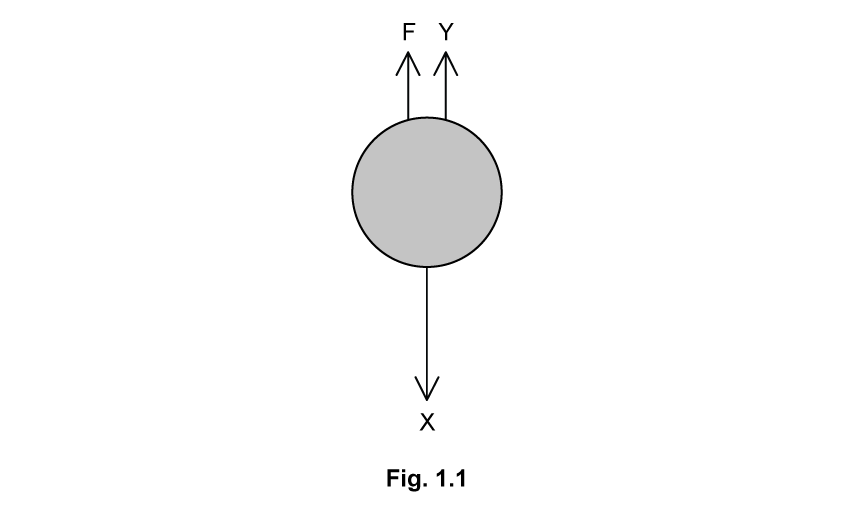
Fig. 1.1 shows a block at rest on a slope.
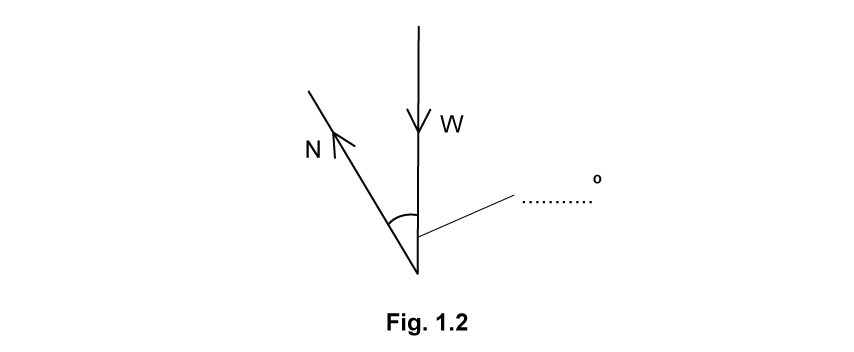
Three forces, weight W, normal contact force N and the frictional force F act on the block. The forces are in equilibrium.
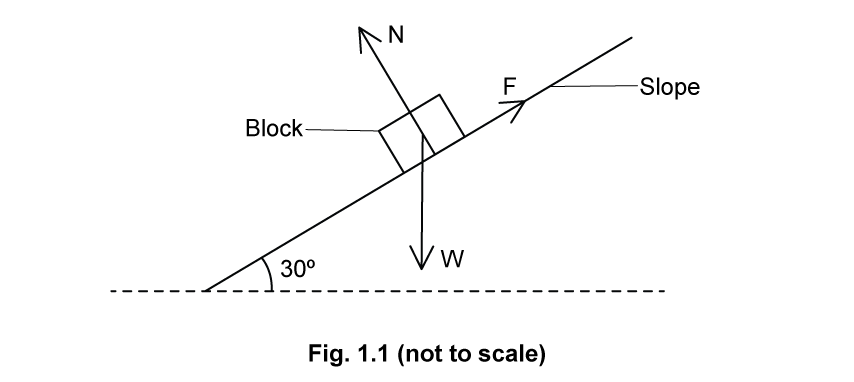
(i) Explain what is meant by 'the forces are in equilibrium'.
(2 marks)
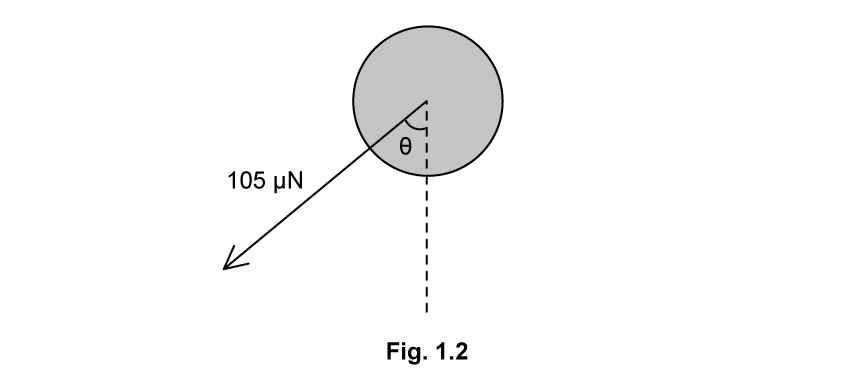
(ii) Complete the vector triangle in Fig. 1.2. Label the missing vector and the angle between W and N.
(2 marks)
Extract:
Fig. 1.1 shows a block at rest on a slope. Three forces, weight W, normal contact force N and the frictional force F act on the block. The forces are in equilibrium. (ii) Complete the vector triangle in Fig. 1.2. Label the missing vector and the angle between W and N. Mark scheme: Angle labelled 30°.
The frictional force has a magnitude of 60 N.
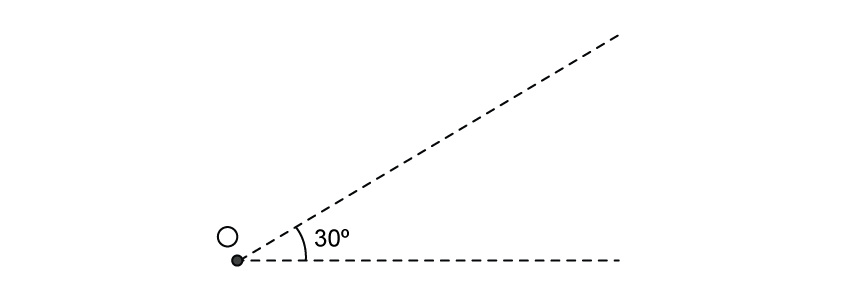
By resolving the vector, calculate the component of the force that acts
(i) horizontally
(2 marks)
(ii) vertically.
(2 marks)