Work Done
3 guided lessons · 27 checks · 4. Energy Resources and Energy Transfers → Work, Power & Energy Resources
Guided lessons for this note
Which concept don't you understand yet?
We'll explain it simply and check your understanding. Pick any lesson — any order works.
0 of 27 checks correct so far
Lesson 1 of 3
The meaning of work done
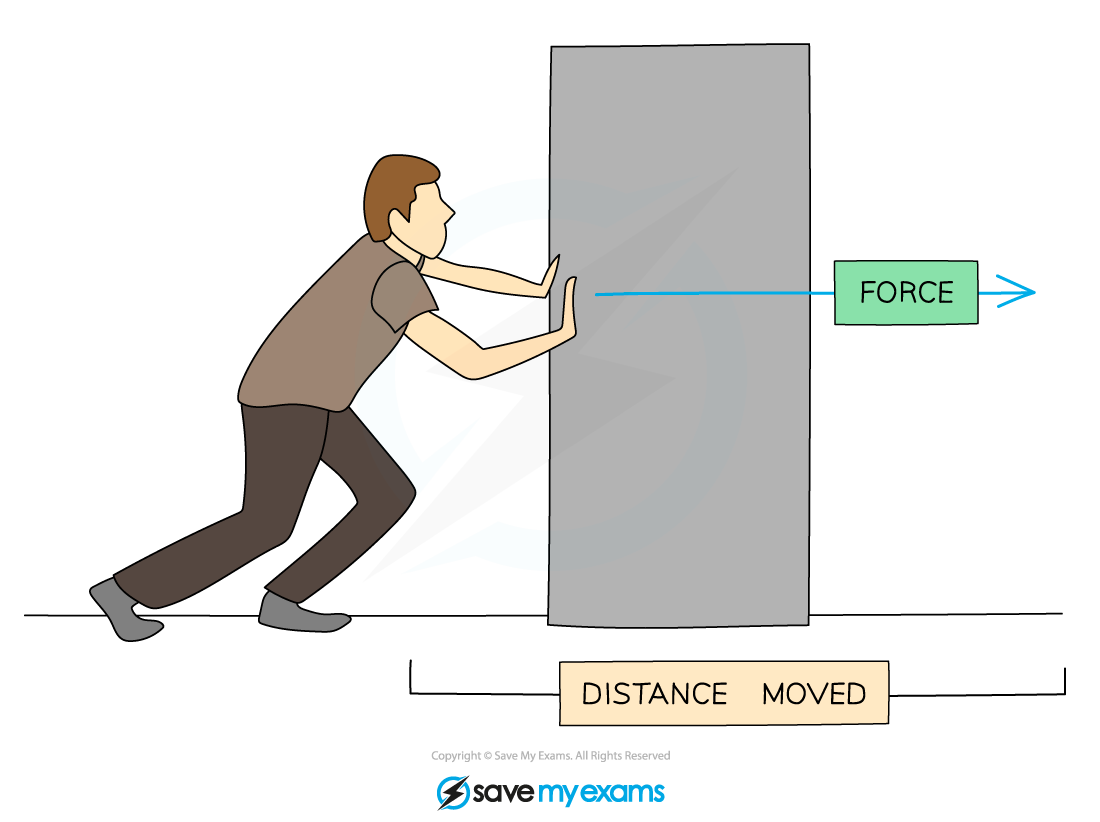
Whenever a force succeeds in moving an object along the direction it acts, physicists say the force does work. That work is not lost: it is the measure of energy transferred, which is why both are counted in the same unit, the joule.
What you know already
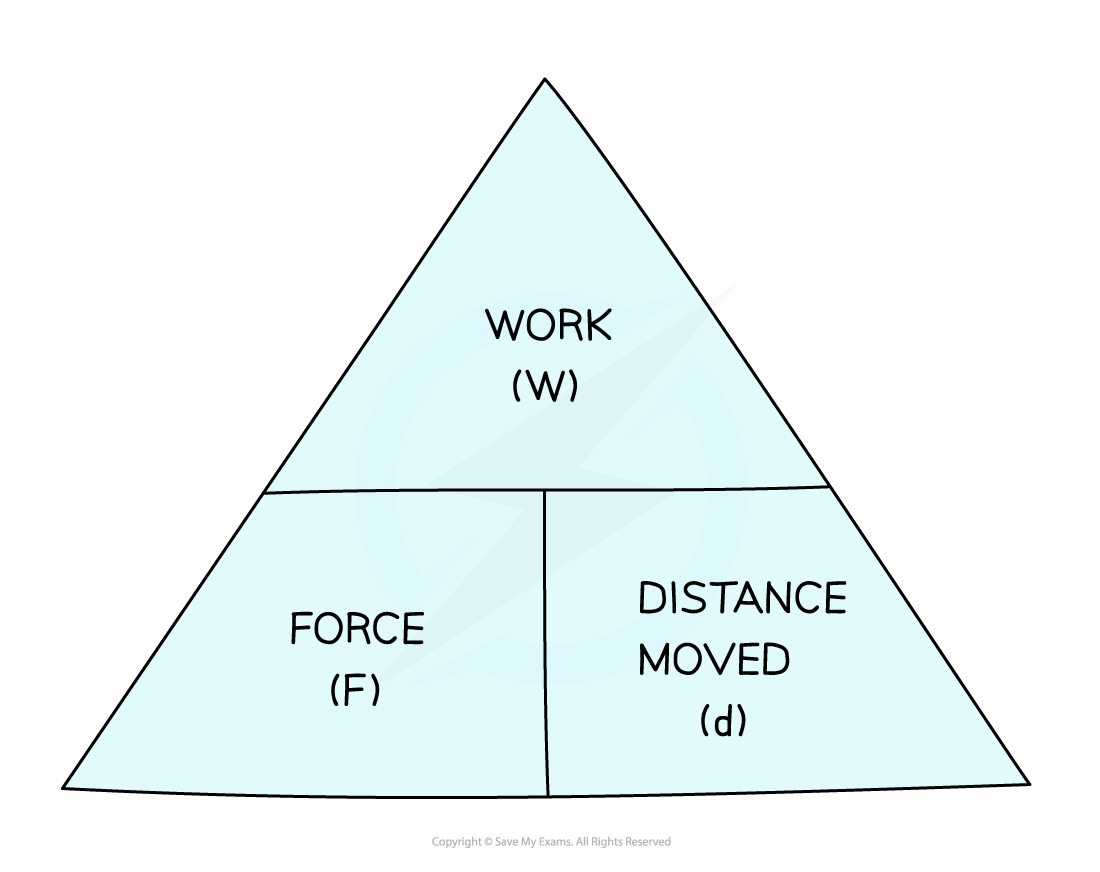
Work done is the energy story behind every push and pull that actually moves something. These lessons pin down when a force counts as doing work, how the transferred joules land in different stores, and how the work done equation turns force and distance into a number you can calculate.
Key points of understanding
- Work is done only when a force makes an object move through a distance along the direction of the force.
- A force that fails to produce any movement transfers no energy, so no work is done.
- The energy transferred when work is done equals the work done, both measured in joules.
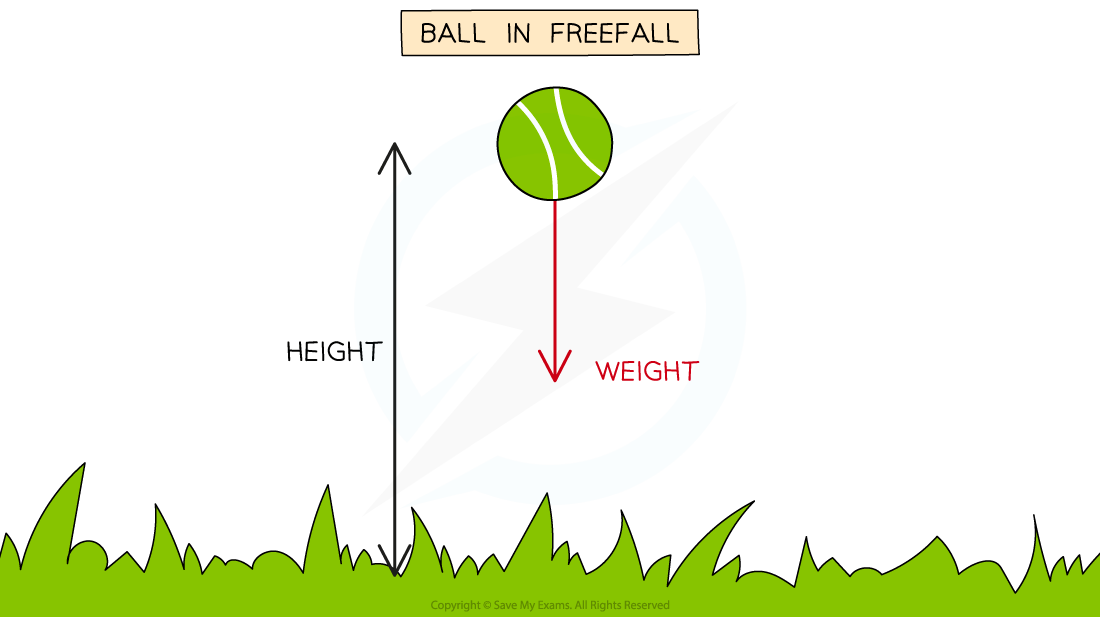
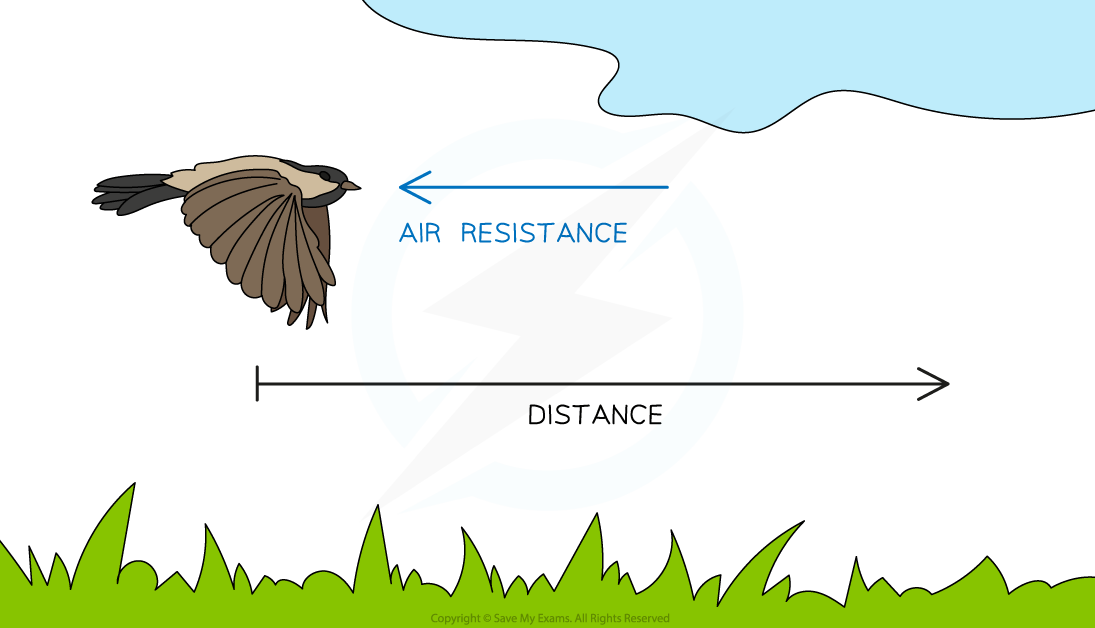
- A force acting along the direction of motion fills the object's kinetic store, while an opposing force drains energy away to the surroundings.
Choose a confidence level to continue.
Prefer to read it all at once? Show the full lesson as a page
1.The meaning of work done
Whenever a force succeeds in moving an object along the direction it acts, physicists say the force does work. That work is not lost: it is the measure of energy transferred, which is why both are counted in the same unit, the joule.
Key points
- Work is done only when a force makes an object move through a distance along the direction of the force.
- A force that fails to produce any movement transfers no energy, so no work is done.
- The energy transferred when work is done equals the work done, both measured in joules.
- A force acting along the direction of motion fills the object's kinetic store, while an opposing force drains energy away to the surroundings.
First pass
Push something and it moves: the pusher loses energy and the mover gains it, and the size of that exchange is exactly the work done. Hold something still with all your strength and nothing moves, so nothing is transferred and the work done stays at zero.
Guided content from the SME authoring corpus — note rn_r6HzX8DgQ84bGBMP, pinned at c40b8b284935 · promoted SyllabAI/syllabai-resources b3caaaa90c5e