Language of Sequences & Series (Edexcel IAL Maths)
Exam board Pearson Edexcel · IALUpdated 2026-07-02
Spec point —
4.3
Language of sequences & series
What is a sequence?
- A sequence is an ordered set of numbers with a rule for finding all the numbers in the sequence
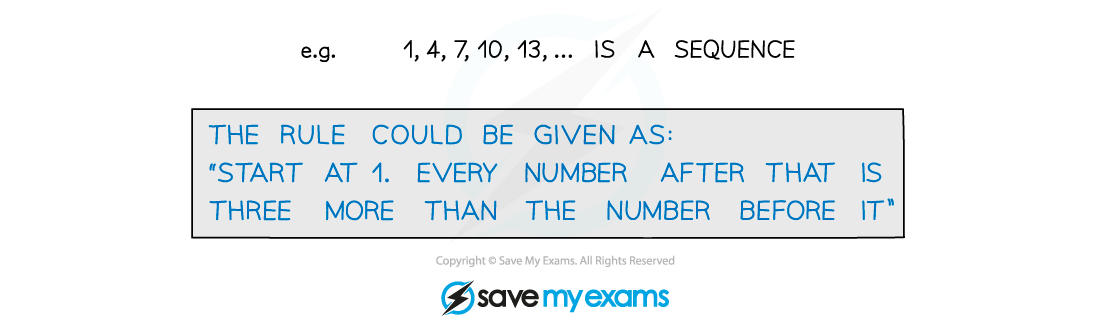
- The numbers in a sequence are called terms
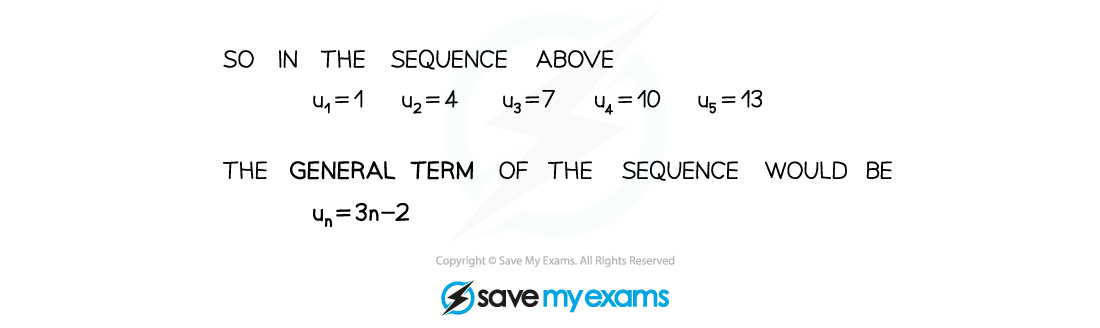
- The terms of a sequence are often referred to by letters with a subscript
What is a series?
- You get a series by summing up the terms in a sequence
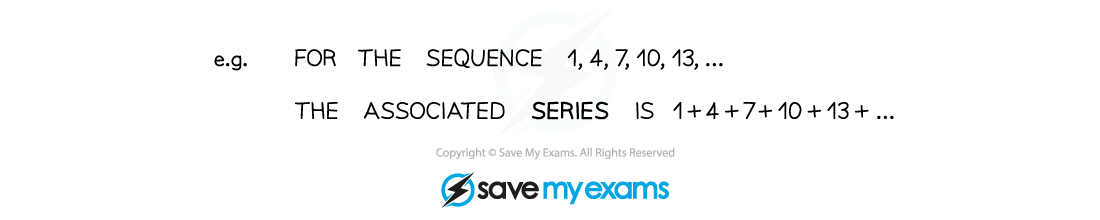
- We use the notation Sn to refer to the sum of the first n terms in the series i.e. Sn = u1+ u 2 + u3 + … + un

What are increasing, decreasing and periodic sequences?
-
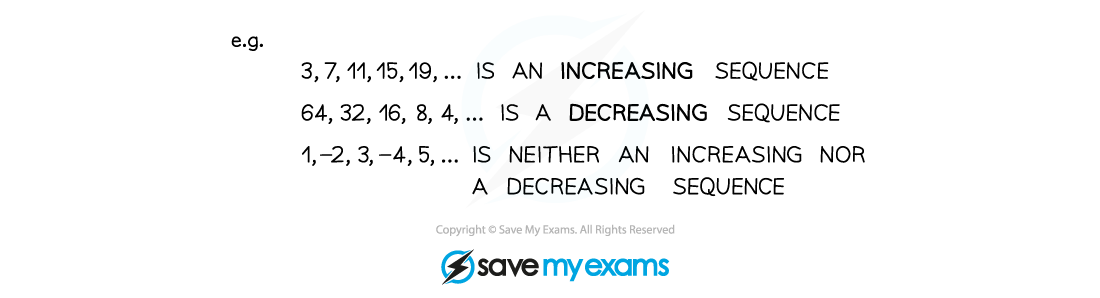
A sequence is increasing if un+1 > un for all positive integers n
- i.e. if every term is greater than the term before it
-
A sequence is decreasing if un+1 < un for all positive integers n
- i.e. if every term is less than the term before it
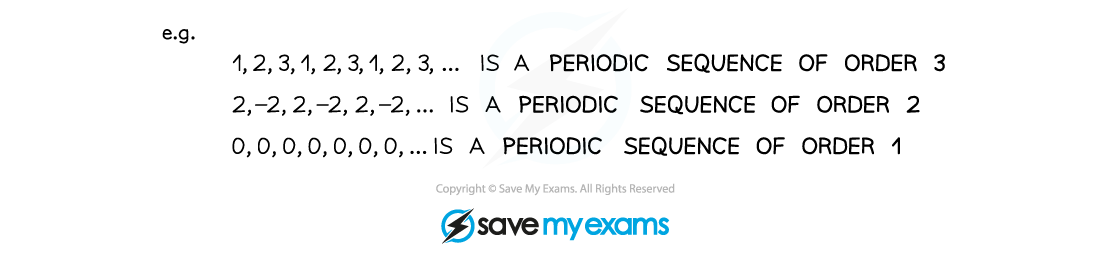
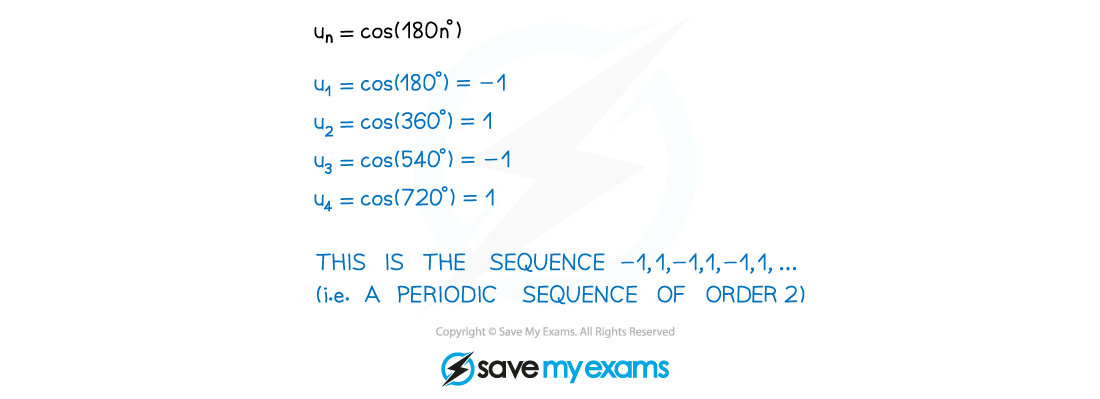
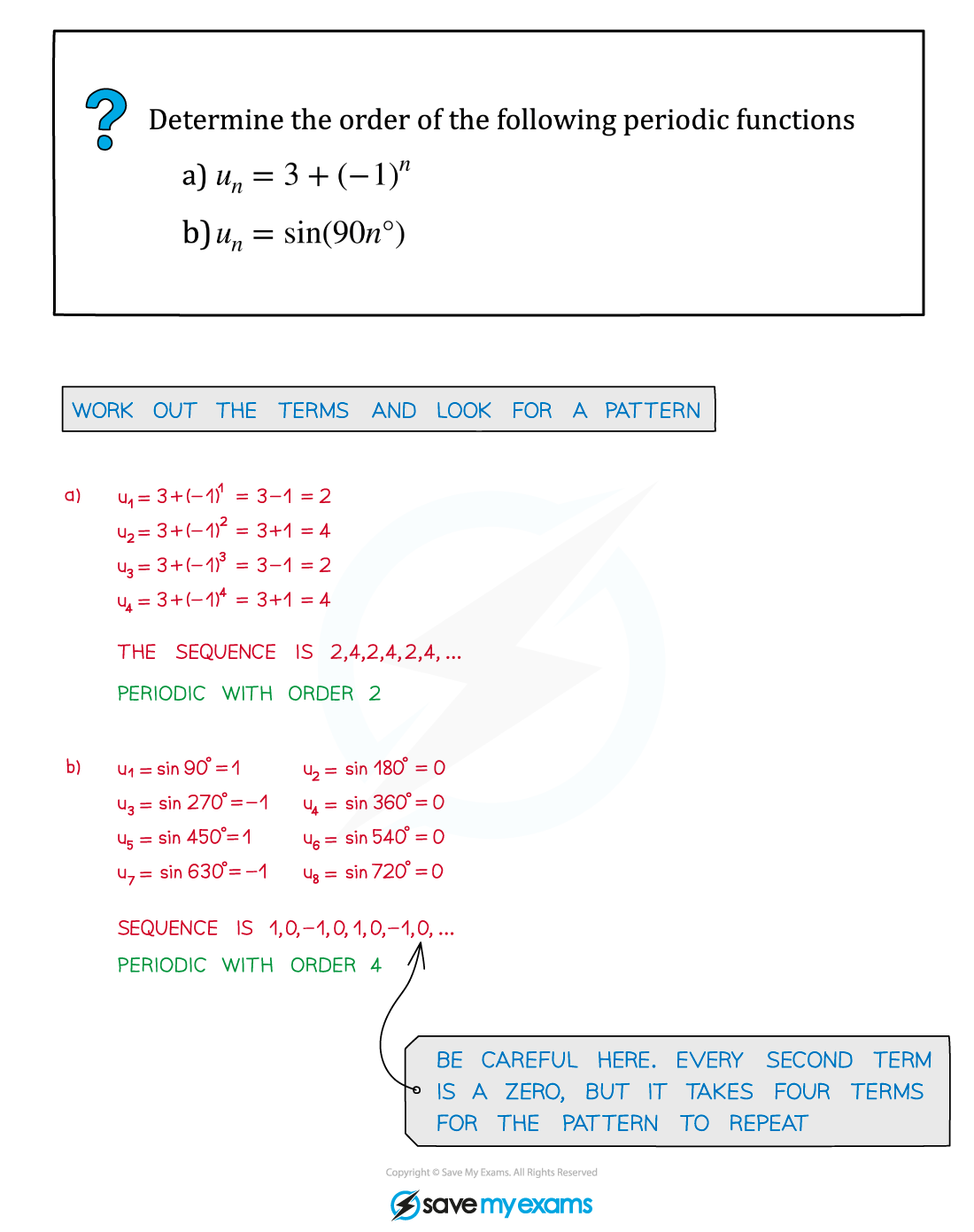
- A sequence is periodic if the terms repeat in a cycle
- The order (or period) of a periodic sequence is the number of terms in each repeating cycle
Exam Hint Look out for sequences defined by trigonometric functions – this can be a way of 'hiding' a periodic function.
Worked Example
Was this revision note helpful?
Build on this topic