Polynomial Factorisation (Edexcel IAL Maths)
Exam board Pearson Edexcel · IALUpdated 2026-07-02
Factorisation
Spec point —
2.1
Polynomial factorisation
What is polynomial factorisation?
- Factorising a polynomial combines the factor theorem with the method of polynomial division
- The goal is to break down a polynomial as far as possible into a product of linear factors*
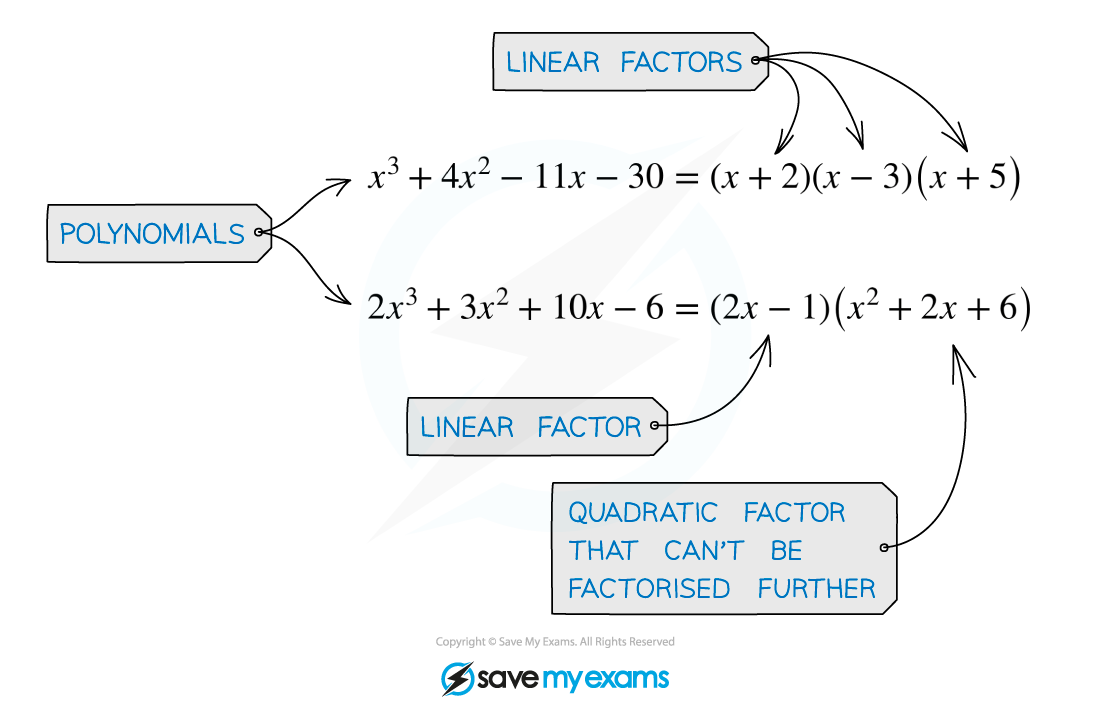
How do I factorise a polynomial?
- At A level you will usually be asked to factorise a cubic – i.e. a polynomial where the highest power of x is 3
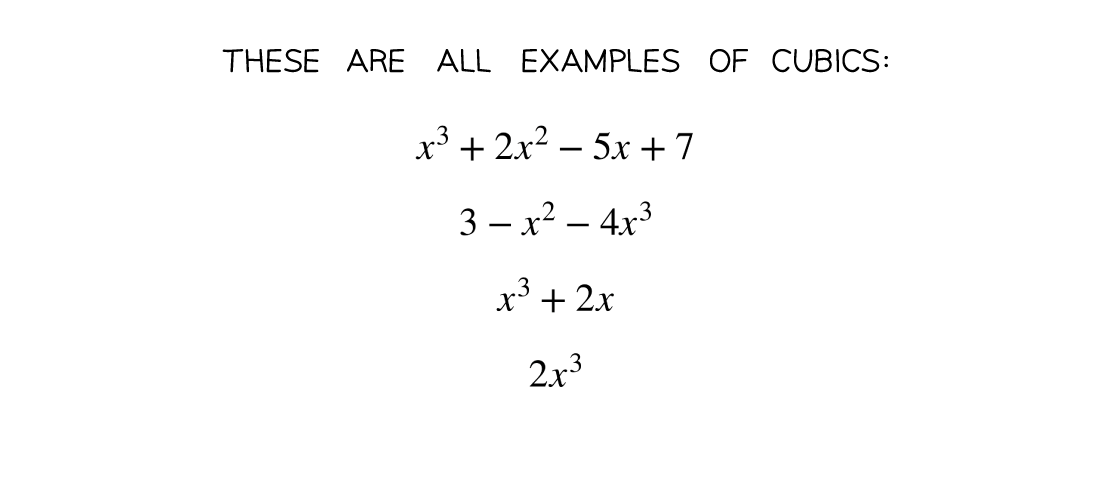
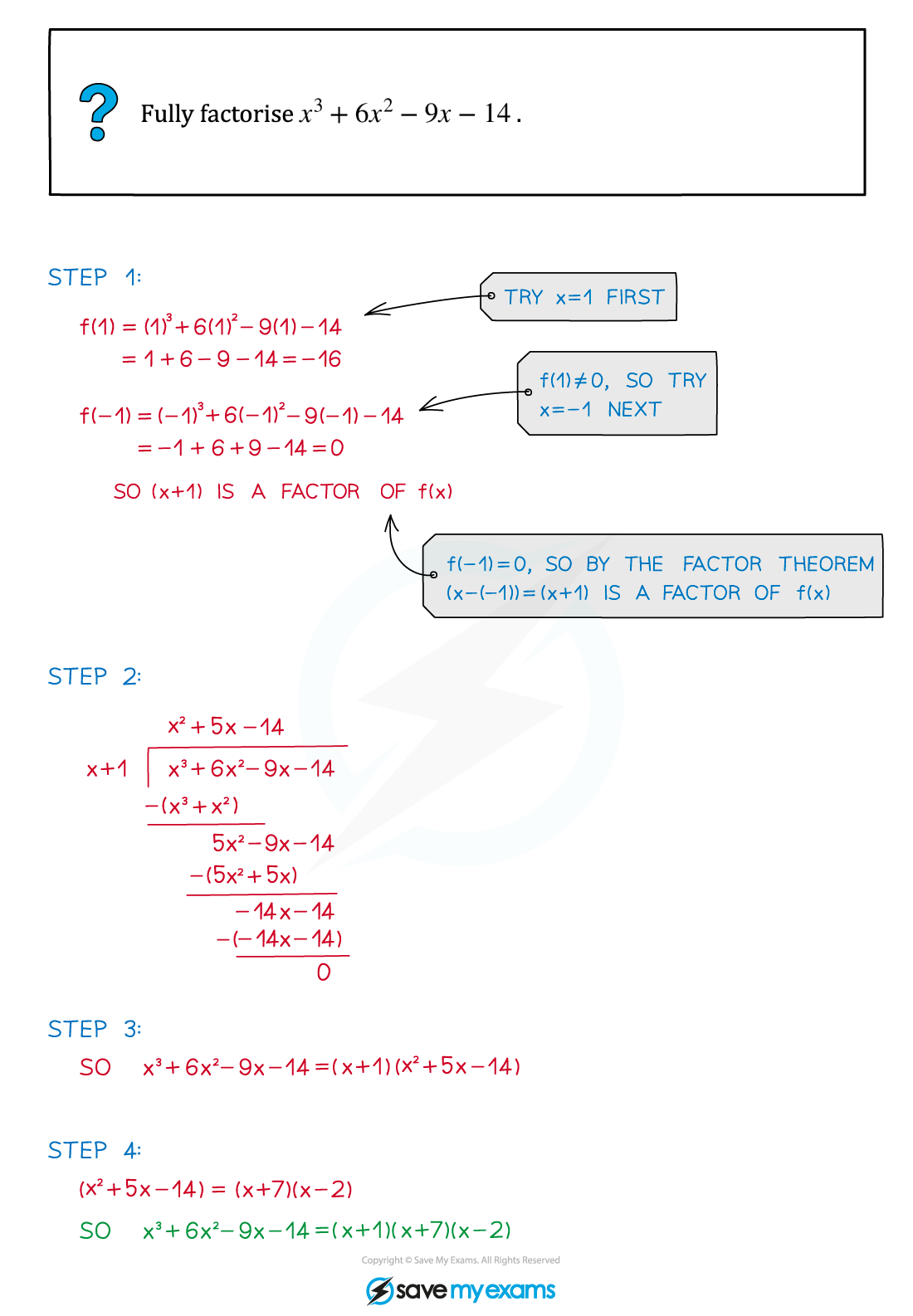
- To factorise a cubic polynomial f(x) follow the following steps:

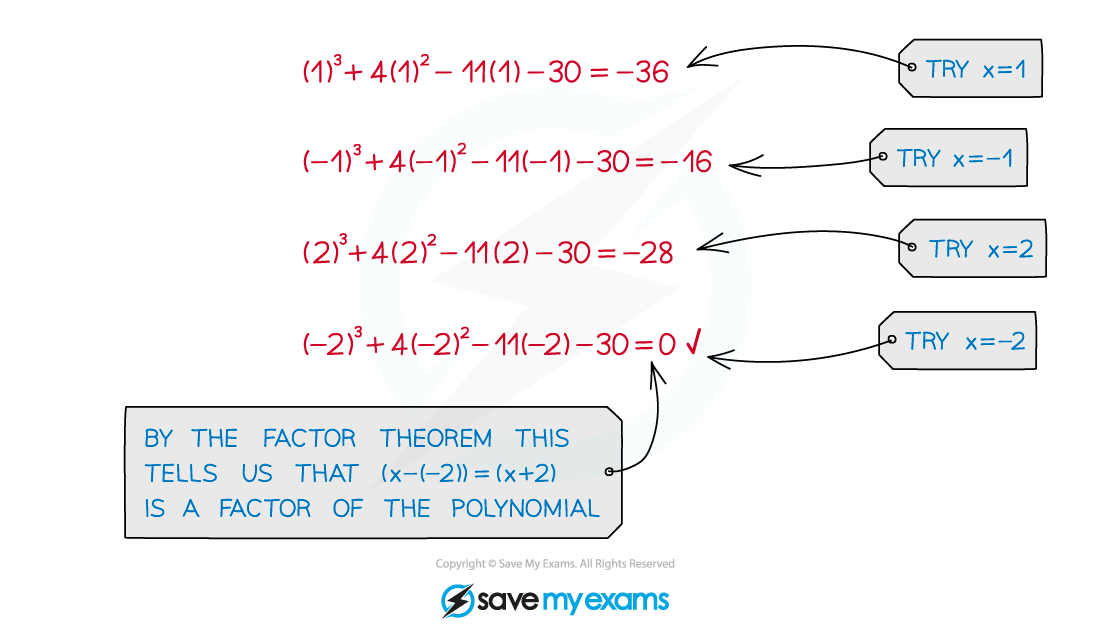
- Step 1. Find a value p that makes f(p) = 0
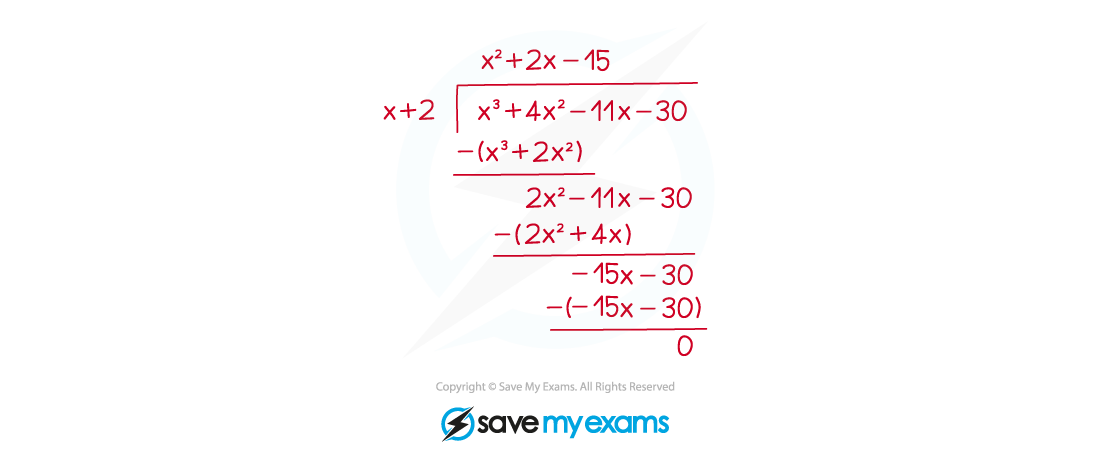
- Step 2. Use polynomial division to divide f(x) by ( x - p)
- Step 3. Use the result of your division to write
f(x) = (x - p) (ax2 + bx + c)

- Step 4. If the quadratic (ax2 + bx + c) is factorisable, factorise it and write f(x) as a product of three linear factors (if the quadratic is not factorisable, then your result from Step 3 is the final factorisation)

Exam Hint
- The method outlined above can be logically extended to factorise a polynomial of any degree.
Worked Example
Was this revision note helpful?
Build on this topic