12 markseasy
Water hyacinth plants produce flowers above the surface of the water. These flowers are pollinated by two different methods.
Suggest two ways that water hyacinth flowers are pollinated.
36 questions · 80 marks · ≈ 1 hour · spans 13 of 14 topics
Assembled from the topic question banks — not an official Cambridge International paperWater hyacinth plants produce flowers above the surface of the water. These flowers are pollinated by two different methods.
Suggest two ways that water hyacinth flowers are pollinated.
Figure 3.1 shows the world population pyramid in 2023.
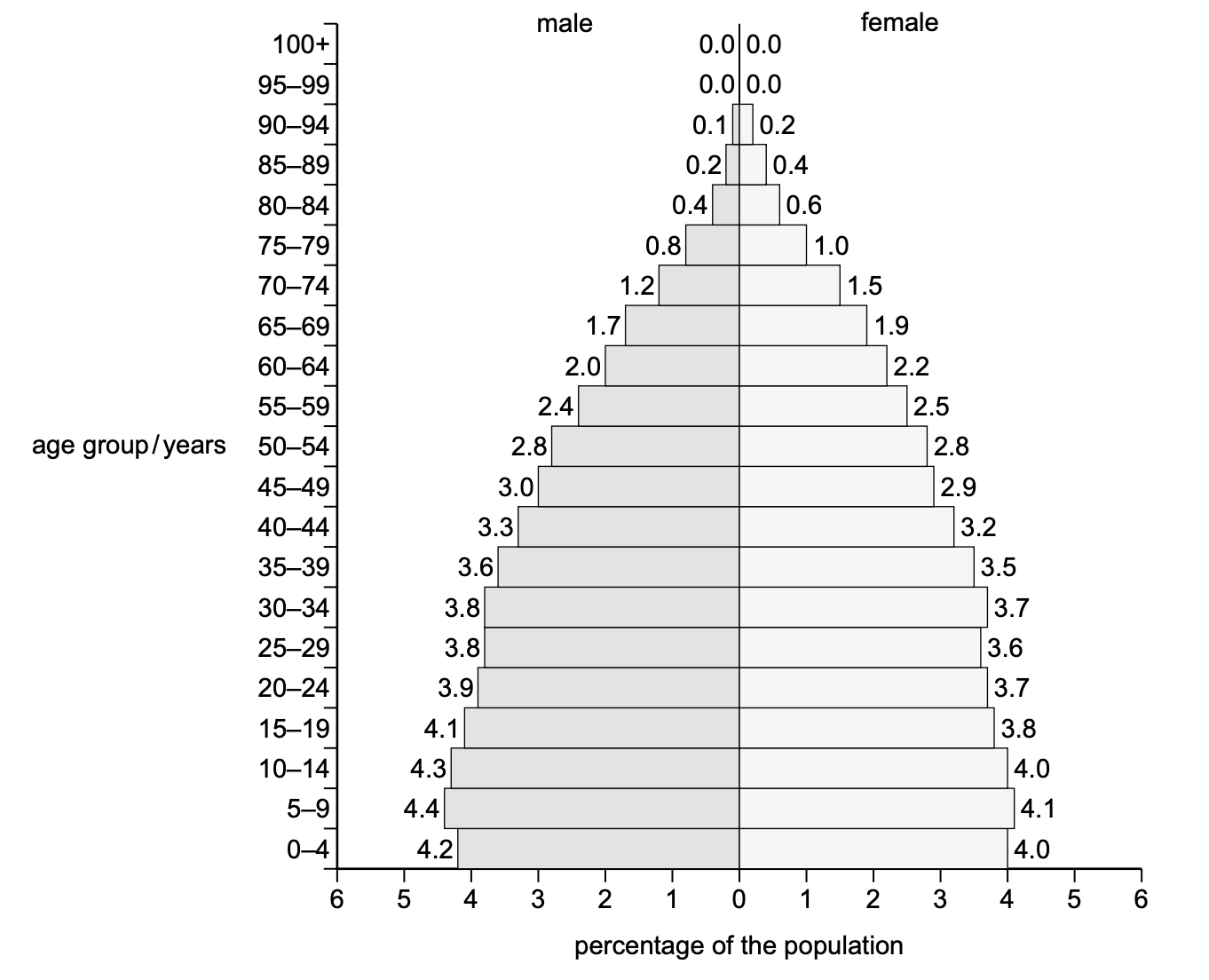
Figure 3.1 PopulationPyramid.net, CC BY 3.0 IGO
State the percentage of the world population that is over 74 years of age in 2023.
A scientist investigates soils.
Figure 3.1 shows the composition of a soil.
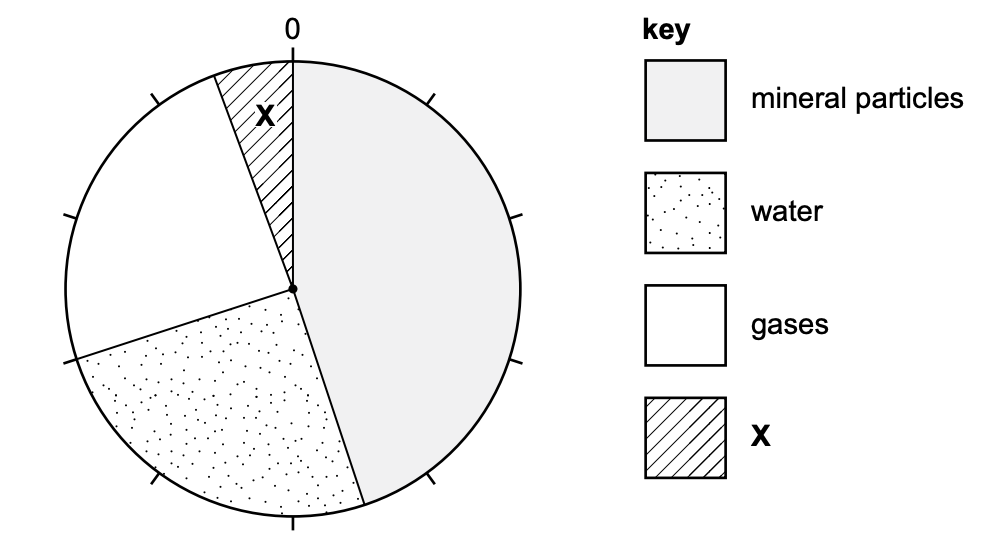
Figure 3.1
Determine the percentage of the soil that is mineral particles.
The volcanic explosivity index, VEI, is a measure of the explosiveness of volcanic eruptions.
A VEI value of 0 is the least explosive and a VEI value of 8 is the most explosive.
Figure 4.2 shows the VEI value for some eruptions around the world.
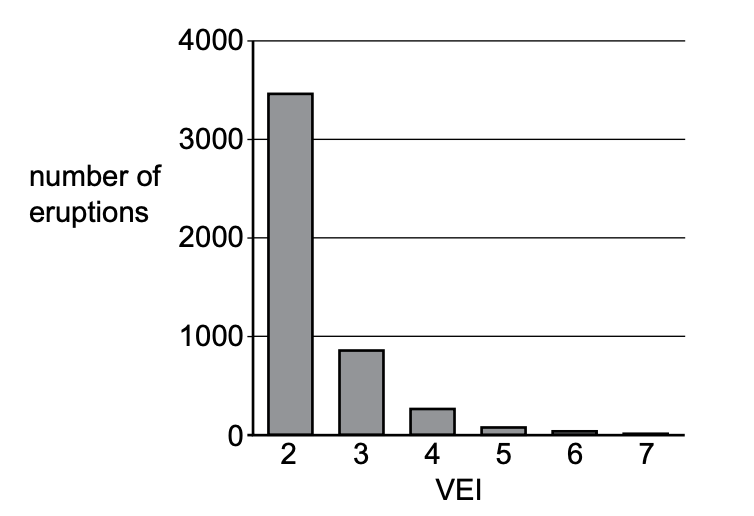
Figure 4.2
Describe what Figure 4.2 shows about these volcanic eruptions.
The African thistle plant, Berkheya coddii, is used for the biological extraction of minerals.
Suggest two limitations of using plants for the biological extraction of minerals.
Most sedimentary rocks are permeable.
Define permeability.
Scientists predict that the mean global temperature will increase.
Most scientists predict global temperature change as a range of values.
Suggest two reasons why a range of temperatures is predicted and not an actual value.
Biodegradable bioplastics break down over time.
Name one group of organisms that break down biodegradable bioplastics.
Distillation is one type of desalination.
Name one other type of desalination.
Giant African land snails are an invasive species in Florida.
Suggest two other reasons why scientists are concerned about the populations of giant African land snails in Florida.
Figure 1.1 shows data collected at a farm in Finland.
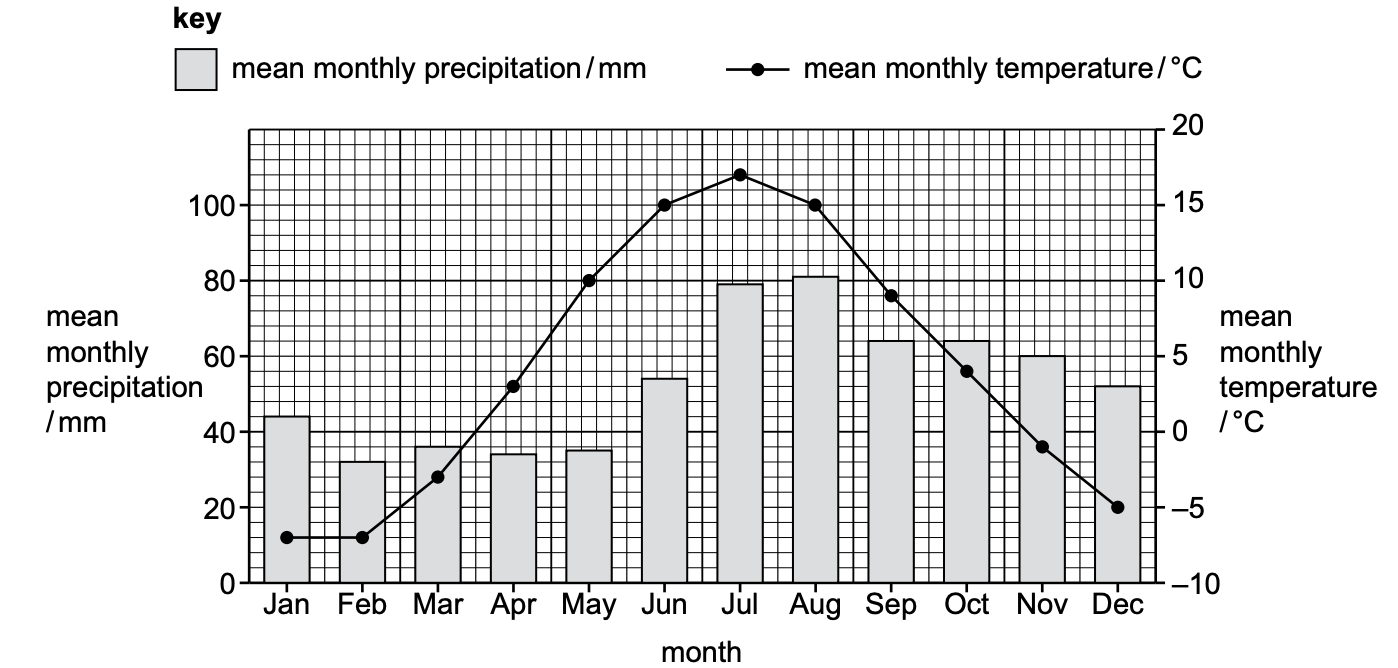
Figure 1.1 -NASA's Earth Observatory
A student uses the data in Figure 1.1 to make two conclusions:
Suggest two limitations of these conclusions.
Explain these limitations.
Figure 3.1 shows the world population pyramid in 2023.
Figure 3.1 PopulationPyramid.net, CC BY 3.0 IGO
Use Figure 3.1 to compare the world population of males to the world population of females in 2023.
The scientist investigates the effect of three different fertilisers on the crop yield of maize plants.
Table 3.1 shows the results of the investigation.
| fertiliser used | formula for ion | days until harvest | crop yield / thousand kg per Ha |
|---|---|---|---|
| nitrate | .......... | 94 | 31 |
| phosphate | .......... | 98 | 28 |
| potassium | K⁺ | 95 | 25 |
| control | 96 | 18 |
Complete Table 3.1.
The farmer builds bunds to reduce soil erosion.
Explain how bunds reduce soil erosion.
Figure 1.1 shows data collected at a farm in Finland.
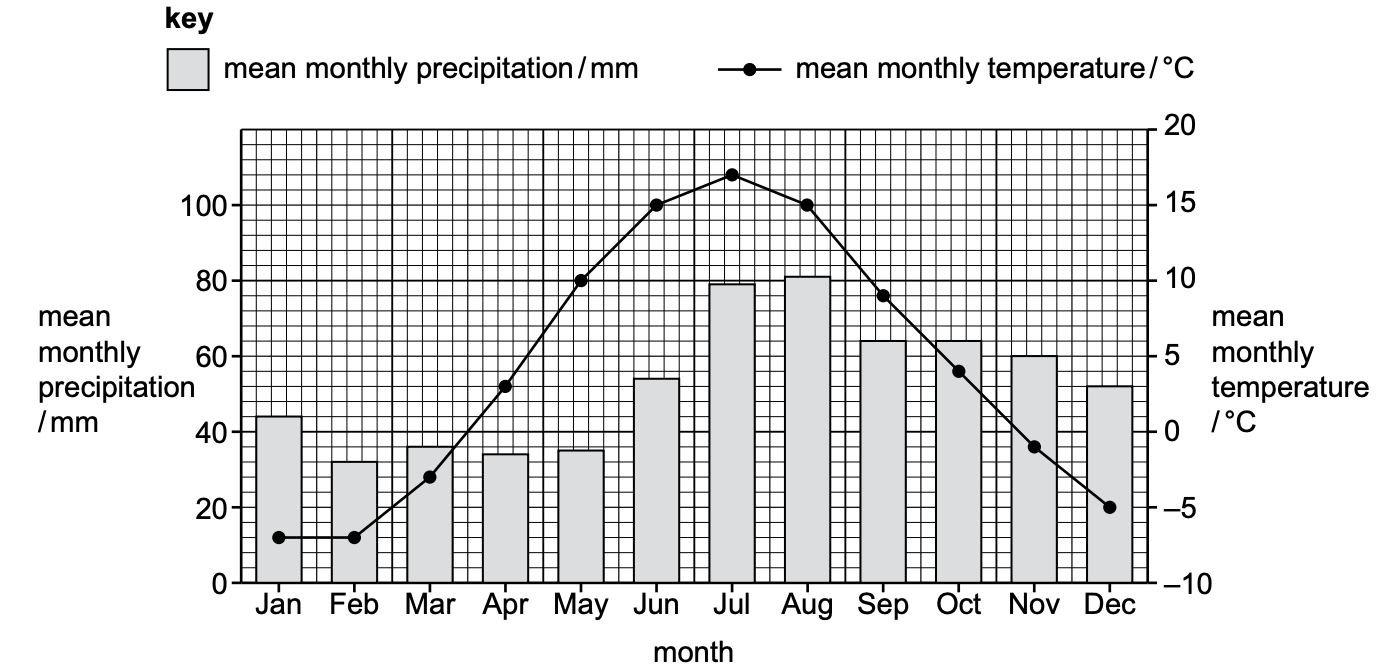
Figure 1.1
Identify the month with the highest mean monthly precipitation.
Iceland is situated on the Mid-Atlantic Ridge plate boundary.
Figure 4.1 shows the plates, the Mid-Atlantic Ridge and the location of Iceland's major volcanoes.
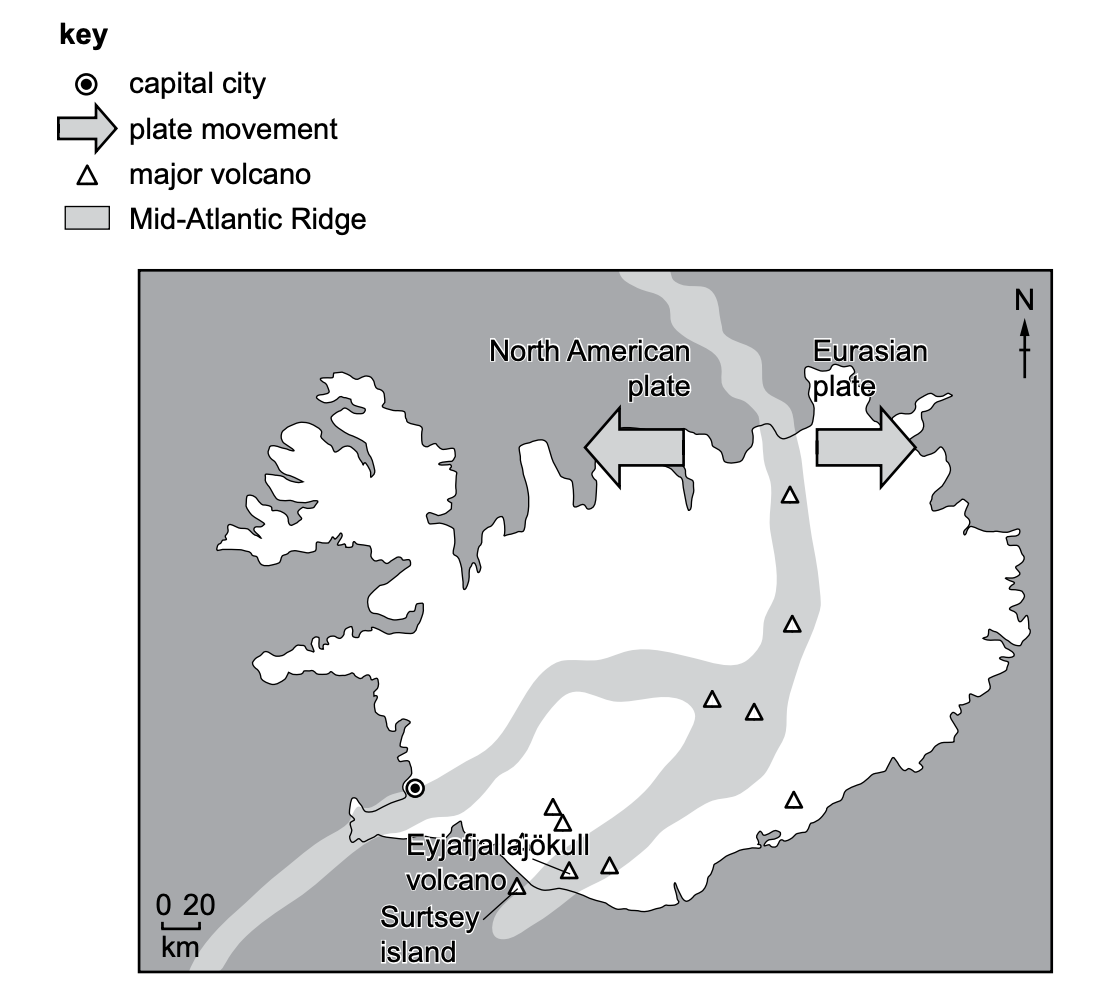
Figure 4.1
Use Figure 4.1 to describe the distribution of major volcanoes in Iceland.
Scientists predict that the mean global temperature will increase.
Explain two ways the predicted increase in mean global temperature will affect the demand for energy.
The African thistle plant, Berkheya coddii, is used for the biological extraction of minerals.
Describe how plants are used for the biological extraction of minerals.
Most sedimentary rocks are permeable.
Name a sedimentary rock that is:
permeable
impermeable
A scientist wants to predict the global production of carbon dioxide from manufacturing cement in 2040.
The scientist states:
"700 thousand million tonnes of carbon dioxide were produced in 2000.
1600 thousand million tonnes of carbon dioxide were produced in 2020."
The scientist uses this data to predict there will be 2300 thousand million tonnes of carbon dioxide produced in 2040.
Suggest two reasons why this prediction may not be the actual value of carbon dioxide produced in 2040.
Figure 5.1 shows the global production of non-biodegradable bioplastics and biodegradable bioplastics in 2021 and 2023.
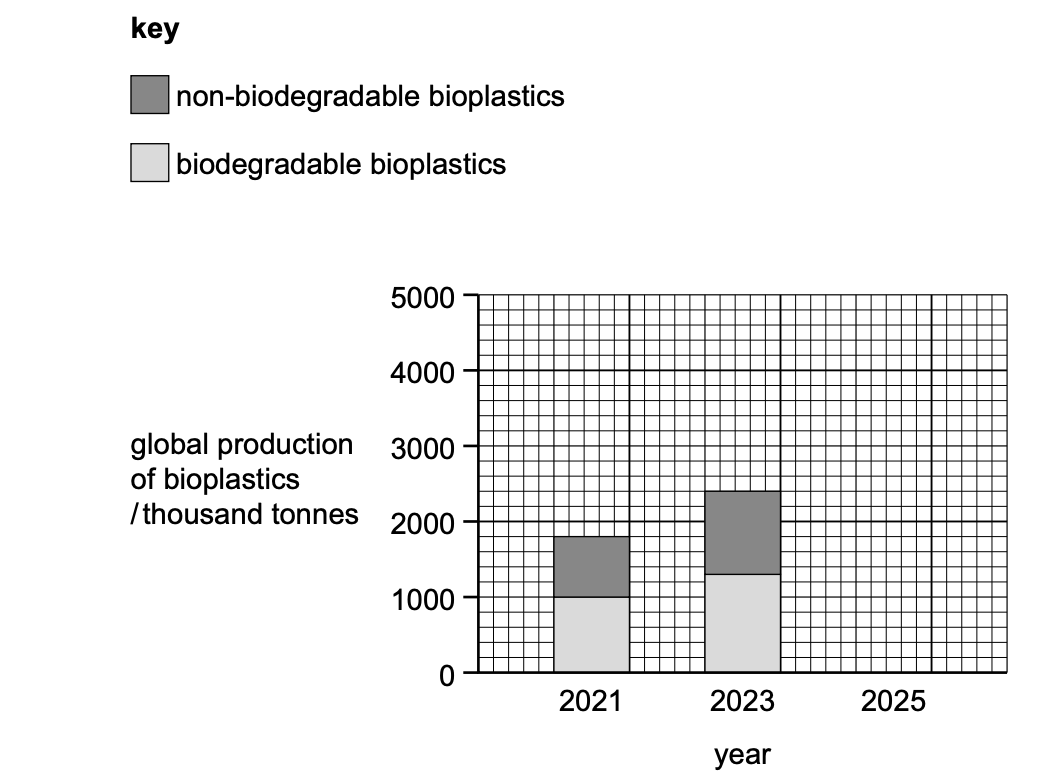
Figure 5.1
Table 5.1 shows the predicted global production of non-biodegradable bioplastics and biodegradable bioplastics in 2025.
Table 5.1
| year | global production of non-biodegradable bioplastics / thousand tonnes | global production of biodegradable bioplastics / thousand tonnes |
|---|---|---|
| 2025 | 2500 | 2400 |
Plot the data for 2025 on the grid in Figure 5.1.
Figure 2.1 shows part of the water cycle.
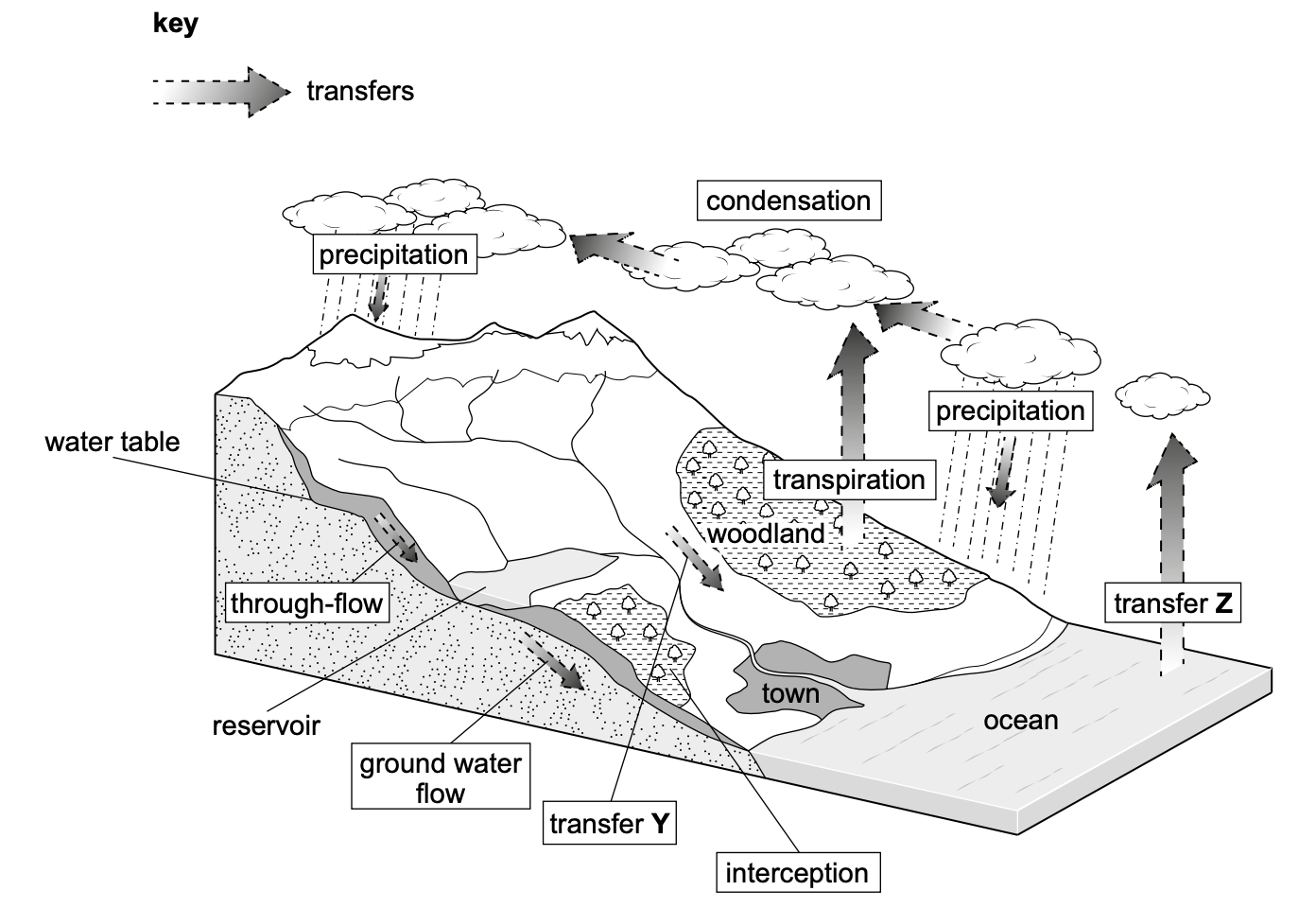
Figure 2.1
In Figure 2.1, identify:
transfer Y
transfer Z
Figure 6.1 shows water hyacinth plants in a river ecosystem.
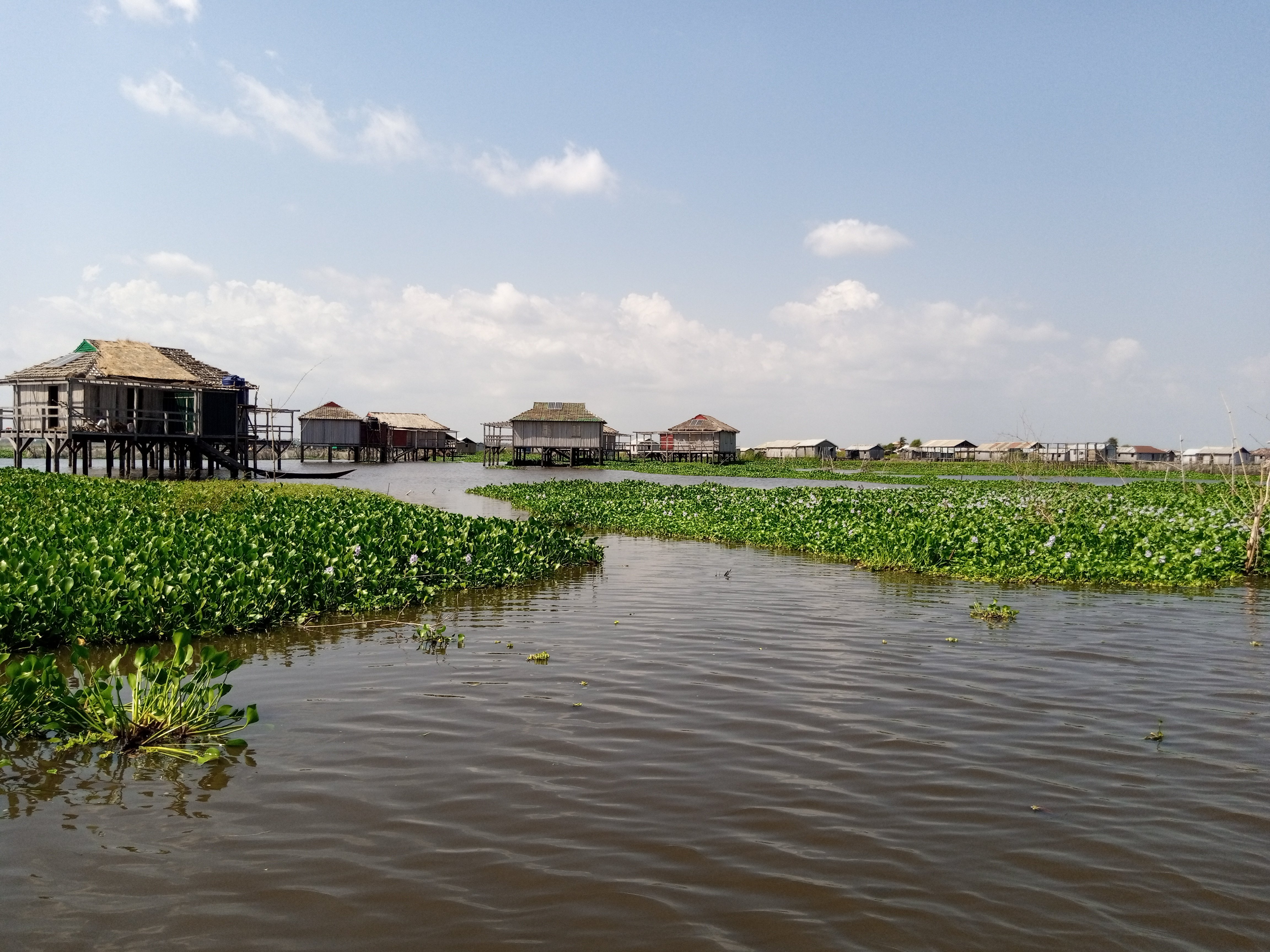
Figure 6.1 Adoscam, CC BY-SA 4.0, via Wikimedia Commons
Water hyacinth plants reduce the growth of other aquatic plants by competition.
Suggest two ways water hyacinth plants compete with other aquatic plants.
A scientist wants to use a random sampling strategy to estimate the population of giant African land snails in Florida.
Describe a random sampling strategy to estimate the population of giant African land snails in Florida.
In your answer include a method to:
The population pyramids for low-income countries (LICs) and high-income countries (HICs) are different.
Complete Table 3.1.
| description | tick (✓) if true | tick (✓) if false |
|---|---|---|
| LICs have a wider base than HICs. | ||
| HICs have a smaller percentage of people in the working population than LICs. | ||
| LICs have a smaller percentage of elderly dependants than HICs. |
Tick (✓) to show if a description is true or false.
Figure 1.1 shows data collected at a farm in Finland.
Figure 1.1
Calculate the annual temperature range for this farm.
Volcanic activity provides opportunities for people.
State three of these opportunities.
Bioethanol is used to generate electricity.
Describe how bioethanol is used to generate electricity.
Figure 5.1 shows a factory manufacturing cement.
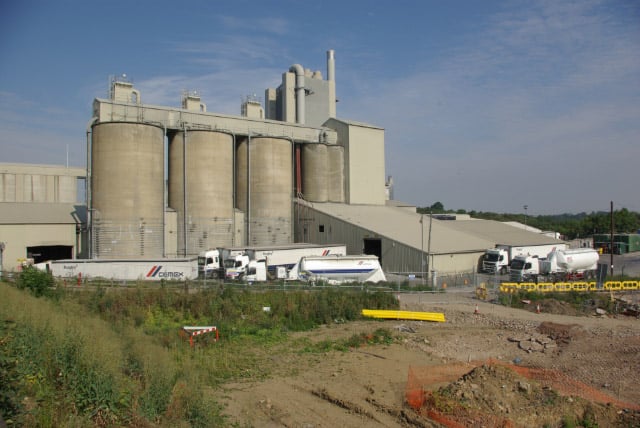
Figure 5.1 Stephen McKay / Rugby Cement Works - CC BY SA 2.0
The manufacture of cement releases carbon dioxide. Carbon dioxide is an atmospheric pollutant.
Use information in Figure 5.1 to suggest one other environmental impact and one economic impact of this factory.
Figure 1.1 represents the rock cycle.
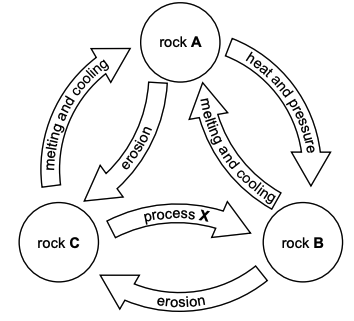
Figure 1.1
In Figure 1.1, process X changes rock C into rock B.
Circle the correct description of process X.
erosion
heat and pressure
melting and cooling
Scientists predict that the mean global temperature will increase.
One group of scientists predicts that the mean global temperature in 2033 will increase by 1.5 °C and that the mean global temperature in 2100 will increase by 5.4 °C.
Calculate the mean annual increase in global temperature between 2033 and 2100.
Give your answer to two significant figures.
Biodegradable bioplastics break down over time.
Name two products formed when biodegradable bioplastics break down.
Discuss the benefits and limitations of desalination.
Figure 6.1 shows water hyacinth plants in a river ecosystem.
Figure 6.1 Adoscam, CC BY-SA 4.0, via Wikimedia Commons
Water hyacinth plants are not native to this river ecosystem.
State the term for an organism living in an ecosystem they are not native to.
The scientist also uses a systematic sampling strategy to estimate the population of giant African land snails.
Suggest benefits and limitations of using a systematic sampling strategy to estimate the population of giant African land snails in Florida.
Figure 3.1 shows the world population pyramid in 2023.
Figure 3.1 PopulationPyramid.net, CC BY 3.0 IGO
Suggest why the percentage values in the pyramid in Figure 3.1 do not total 100%.