Conflicts Between Macroeconomic Aims (Cambridge International IGCSE Economics)
Trade-offs between macroeconomic objectives
Spec point — "– full employment and stable prices – economic growth and environmental sustainability – full employment and balance of payments stability"
Trade-offs between macroeconomic objectives
-
Policy decisions by governments often create a trade-off or conflict in achieving macroeconomic objectives
-
Achieving one objective may come at the cost of worsening progress in another objective
-
Common conflicts include:
- Conflicts in achieving both full employment and stable prices
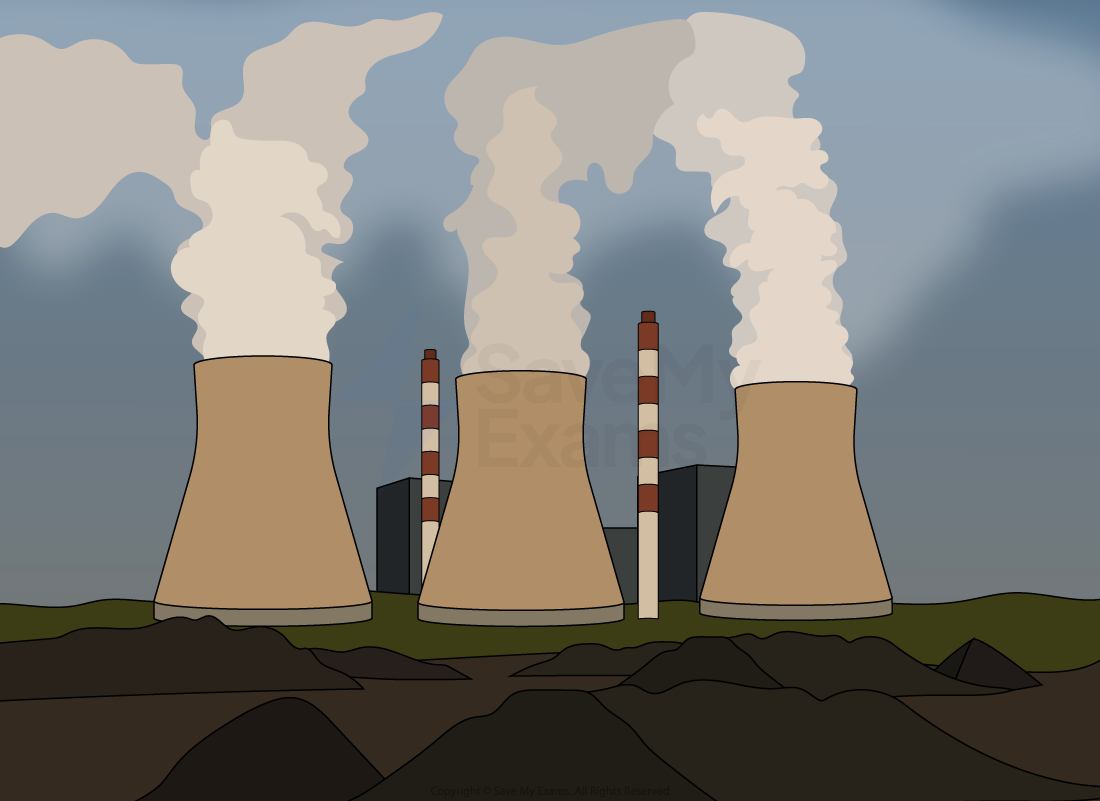
- Conflicts in achieving both economic growth and environmental sustainability
- Conflicts in achieving both full employment and balance of payments stability
Conflicts in achieving both full employment and stable prices
Spec point — "– full employment and stable prices – economic growth and environmental sustainability – full employment and balance of payments stability"
Conflicts in achieving both full employment and stable prices
- When a country reaches full employment, most people who want a job have one
- More people earning wages means total demand for goods and services increases
- If total demand grows faster than the economy’s ability to make goods and services, prices may rise (inflation)
- Keeping prices stable might mean reducing total demand, which can reduce employment
Case Study United States, 2021–2023
By 2022, unemployment in the USA fell to about 3.5%, meaning the country was close to full employment. Many businesses found it difficult to find enough workers, so wages rose
Increasing wages increases the cost of goods. This caused high inflation, reaching over 9% in 2022. To control prices, the US central bank increased interest rates, which slowed spending and job growth
This shows the challenge of maintaining low inflation with full employment
Conflicts in achieving both economic growth and environmental sustainability
Spec point — "– full employment and stable prices – economic growth and environmental sustainability – full employment and balance of payments stability"
Conflicts in achieving both economic growth and environmental sustainability
- Economic growth means producing more goods and services over time
- This often uses more energy and resources, which can damage the environment
- Environmental sustainability means meeting today’s needs without harming the ability of future generations to meet their needs
- Growth can sometimes lead to more pollution and waste, making it harder to protect the environment
Case Study India’s Coal Use (2016–Present)
India’s economy has grown quickly since 2016, creating jobs and raising incomes. However, over 70% of its electricity comes from coal, which produces high levels of carbon emissions.
India is investing in solar and wind power, but demand for energy is rising so fast that coal use is still increasing.
This shows the challenge of balancing strong economic growth with environmental protection.
Conflicts in achieving both full employment and balance of payments stability
Conflicts in achieving both full employment and balance of payments stability
- Balance of payments stability means a country’s imports and exports are fairly even over time
- When a country has full employment, people have more income to spend, and some of this is spent on imported goods and services
- If imports rise faster than exports, the balance of payments can become unstable
Case Study Australia (2018–2022)
From 2010 to 2013, low unemployment of around 5% during the mining boom boosted incomes and spending, leading to higher imports and pressure on the balance of payments. When unemployment rose to about 6% between 2014 and 2016, import demand slowed and trade deficits narrowed slightly.
By 2019, unemployment had fallen back to about 5%, increasing import spending again.
This demonstrates how low unemployment can create challenges for balance of payments stability
Was this revision note helpful?
Build on this topic