Naming of Organic Compounds (Cambridge International AS Chemistry)
Nomenclature of Aliphatic Compounds
- Systematic nomenclature can be used to name organic compounds and therefore make it easier to refer to them
- The alkanes provide the basis of the naming system and the stem of each name indicates how many carbon atoms are in the longest chain in one molecule of the compound
Nomenclature of organic compounds table
| Number of C atoms | Molecular formula of straight-chain alkane | Name of alkane | Stem used in naming |
|---|---|---|---|
| 1 | CH4 | methane | meth- |
| 2 | C2H6 | ethane | eth- |
| 3 | C3H8 | propane | prop- |
| 4 | C4H10 | butane | but- |
| 5 | C5H12 | pentane | pent- |
| 6 | C6H14 | hexane | hex- |
| 7 | C7H16 | heptane | hept- |
| 8 | C8H18 | octane | oct- |
| 9 | C9H20 | nonane | non- |
| 10 | C10H22 | decane | dec- |
Side chains
-
When naming compounds with side chains or functional groups, number the carbon atoms in the longest chain, starting from the end that gives the lowest possible numbers to the substituents
-
In structural formulas, a side chain is often shown in brackets.
- E.g. CH3CH(CH3)CH2CH3
-
Side chains are named by changing the -ane ending of the parent alkane to -yl
-
These groups are known as alkyl groups
Naming organic compounds with one alkyl side chain
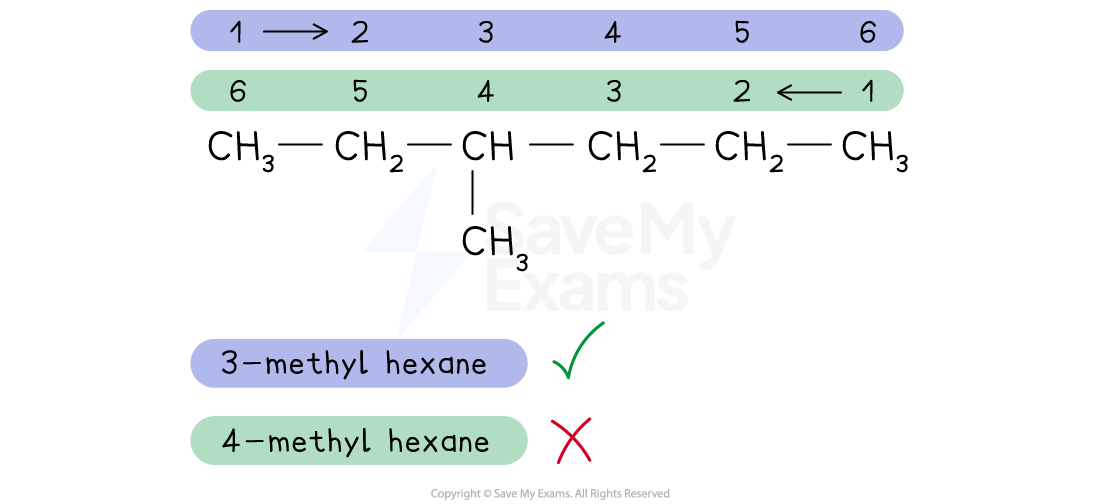
The longest chain provides the main name and the side chain is shown as a numbered alkyl prefix
- If there are more than one of the same alkyl side chain or functional groups, di- (for two), tri- (for three) or tetra- (for four) is added in front of its name
- The adjacent numbers have a comma between them
- Numbers are separated from words by a hyphen
Naming organic compounds with multiple, identical side chains
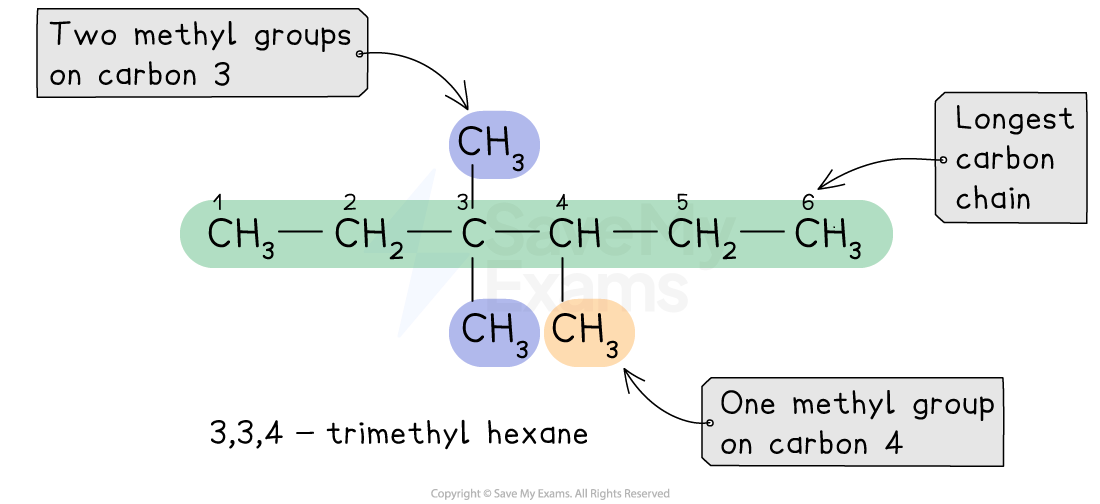
The longest chain still provides the main name and the side chains are shown as numbered alkyl prefixes
- If there is more than one type of alkyl side chain, the same numbering system applies but the different side chains are listed in alphabetic order
Naming organic compounds with multiple, different side chains
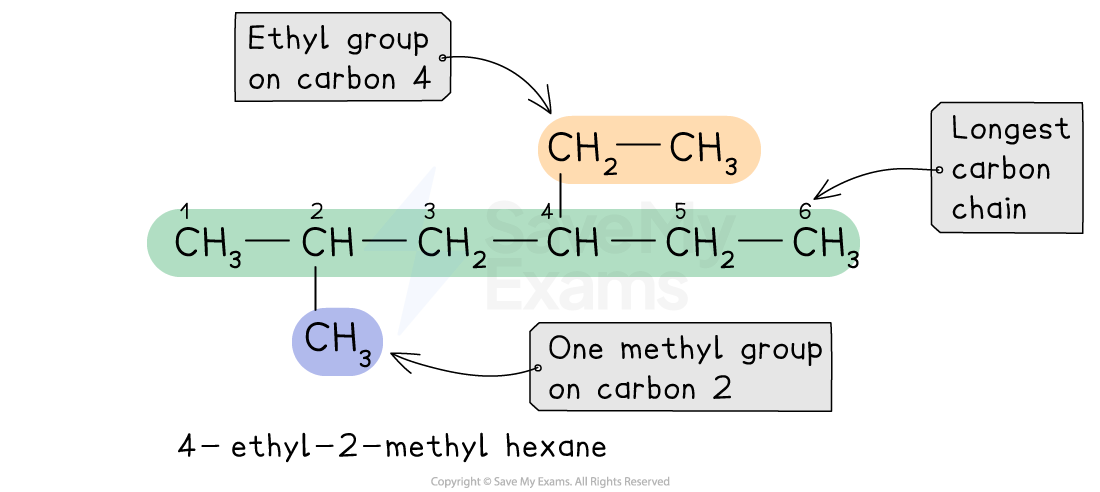
The longest chain still provides the main name and the side chains are still shown as numbered alkyl prefixes but in alphabetical order
Functional groups & their nomenclature table
| Class | Systematic prefix– or –suffix | Example |
|---|---|---|
| alkane | –ane | 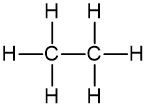 ethane |
| alkene | –ene | 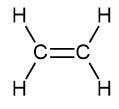 ethene |
| halogenoalkane | fluoro– chloro– bromo– iodo– | 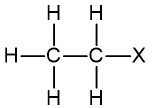 if X = F, fluoroethane |
| alcohol | hydroxy– –ol | 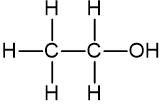 ethanol |
| aldehyde | –al | 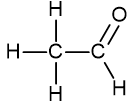 ethanal |
| ketone | –one | 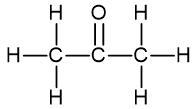 propanone |
| carboxylic acid | –oic acid | 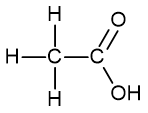 ethanoic acid |
| ester | –oate | 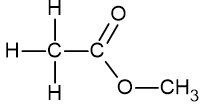 methyl ethanoate |
| amine | –amine | 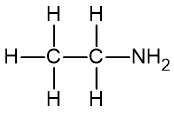 ethanamine |
| nitrile | -nitrile |  propanenitrile |
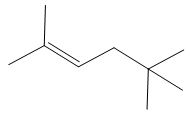
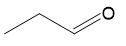
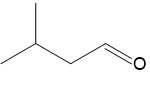
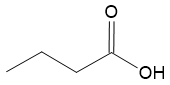
Worked Example Name the following molecules using correct systematic nomenclature:
Answers:
The chemical name is 2,5,5-trimethylhex-2-ene
- The longest carbon chain is six carbons long
- There is an alkene / double carbon-carbon bond on carbon-2
- There are 3 methyl groups on carbons 2, 5 and 5
The chemical name is propanal
- The longest carbon chain is 3 carbons long with only single carbon-carbon bonds
- There is an aldehyde group which is fixed as carbon-1
The chemical name is 3-methylbutanal
- The longest carbon chain is 4 carbons long with only single carbon-carbon bonds
- There is a methyl group on carbon-3
- There is an aldehyde group which is fixed as carbon-1
The chemical name is butanoic acid
- The longest carbon chain is 4 carbons long with only single carbon-carbon bonds
- There is a carboxylic acid group which is fixed as carbon-1
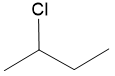
The chemical name is 2-chlorobutane
- The longest carbon chain is 4 carbons long with only single carbon-carbon bonds
- There is a chlorine atom attached to carbon-2
Exam Hint An aliphatic compound is straight or branched-chain and also includes cyclic organic compounds that do not contain a benzene ring.
Was this revision note helpful?
Build on this topic